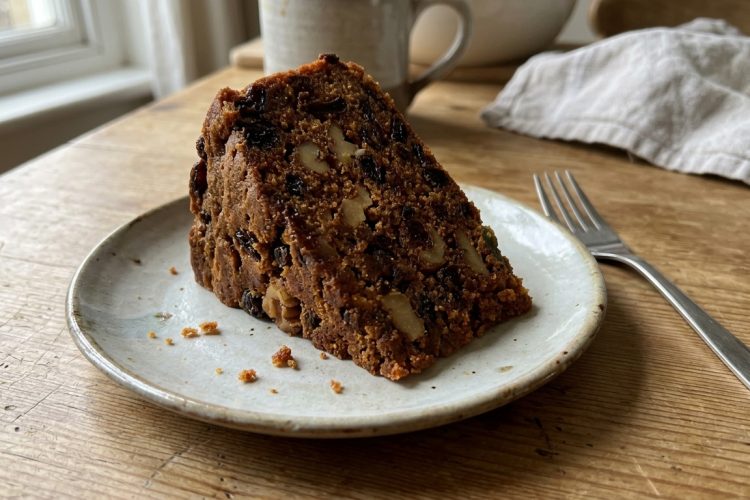
A homemade fruit cake should be rich, soft, moist, and full of delicious ingredients in every slice. This easy moist fruit cake recipe combines dried fruits, dates, walnuts, orange juice, warming spices, and a sweet orange glaze to create a cake with a wonderful balance of flavors and textures. Unlike some traditional fruit cakes that can turn out dry or overly dense, this version uses a boiled fruit mixture to help the ingredients blend together and produce a tender crumb.
One of the best things about this easy fruit cake recipe is that it does not require alcohol or weeks of preparation before serving. The dried fruits are gently simmered with butter, brown sugar, orange juice, orange zest, and molasses, allowing them to soften while absorbing the rich, citrusy flavors. After baking, a homemade orange syrup adds extra moisture and a delicate sweetness. Allowing the cake to rest before slicing gives its flavors time to develop, making each piece even more enjoyable.
Whether you are preparing a Christmas fruit cake, baking something special for afternoon tea, or looking for a comforting homemade dessert, this recipe is a lovely choice. It includes familiar ingredients, straightforward preparation steps, and simple techniques that help you achieve a delicious result without complicated baking methods.
What Makes This Moist Fruit Cake Special?
A soft texture without alcohol
Traditional fruit cakes are sometimes soaked in brandy, rum, or other spirits to develop flavor and help preserve the cake. However, alcohol is not necessary for making a flavorful fruit cake at home. In this recipe, orange juice provides fruity sweetness and moisture, while the boiled fruit method helps soften the dried ingredients before they are added to the batter.
The combination of butter, vegetable oil, eggs, and molasses also contributes to the cake’s texture. Butter provides a rich flavor, while vegetable oil helps the crumb remain soft. Eggs bind the ingredients together, and molasses adds depth and a darker sweetness that complements the dried fruit and spices. Together, these ingredients create a moist, satisfying cake that can be enjoyed without an alcohol-soaking process.
Plenty of fruit in every slice
A good fruit cake should contain more than a few scattered raisins. This recipe uses a generous mixture of sultanas, raisins, currants, glace cherries, and citrus peel, along with chopped dates. Each ingredient contributes something different, from the chewy texture of raisins to the natural sweetness of dates and the bright flavor of orange peel.
The mixture can be adjusted according to your preferences, provided the total quantity of dried fruit remains the same. If you particularly enjoy cherries or currants, you can include more of those ingredients in your fruit mixture. Keeping the overall weight consistent helps maintain the intended balance between the fruit and the cake batter.
Walnuts for a pleasant crunch
Walnuts add a delicious contrast to the soft fruit and tender cake crumb. Their slightly earthy flavor balances the sweetness of the dried fruits and brown sugar, making the finished cake more interesting with every bite. They also give the cake a traditional homemade appearance when the slices are cut.
For the best distribution, fold the walnuts into the batter rather than placing them all on top. This allows the nuts to spread throughout the cake, so most slices contain a mixture of fruit, nuts, and soft cake. If your walnuts are particularly large, you can break them into smaller pieces while keeping the total quantity unchanged.
Ingredients for Easy Moist Fruit Cake
Dried fruits and dates
The dried fruit mixture is the main feature of this recipe. Sultanas and raisins contribute natural sweetness, currants provide a slightly deeper fruity flavor, and glace cherries add colorful pieces throughout the cake. Citrus peel introduces a pleasant aromatic note that works especially well with the orange juice and zest.
Dates are another important ingredient because they contribute sweetness and a soft, chewy texture. They also blend beautifully with molasses, butter, and warm spices. If using firm packaged dates, simmer them with the other fruit ingredients so they have time to soften. Soft, juicy dates can be added later with the walnuts because they generally do not need the same preparation.
Butter, brown sugar, and molasses
Unsalted butter provides richness, while soft brown sugar adds sweetness and a subtle caramel-like flavor. Molasses gives the fruit mixture a darker color and a deeper taste, helping the finished cake develop the rich character commonly associated with traditional fruit cake recipes.
These ingredients are heated together with the dried fruits and orange juice. As the mixture simmers, the butter melts, the sugar dissolves, and the fruit begins absorbing the surrounding liquid. This preparation step helps distribute flavor throughout the cake rather than leaving the dried fruit tasting separate from the batter.
Orange juice and orange zest
Orange is an important flavor in this recipe because it complements both the fruit and the spices. Sweetened orange juice provides liquid for simmering the dried fruits, while fresh orange zest adds a more concentrated citrus aroma. Using both creates a fuller orange flavor than relying on juice alone.
Freshly squeezed orange juice is also used to make the finishing syrup. When combined with granulated sugar and brushed over the warm cake, it adds a light citrus sweetness to the surface. The syrup works alongside the fruit mixture to give the cake a more moist and flavorful finish.
Flour, eggs, oil, and baking powder
All-purpose flour forms the structure of the cake, while baking powder helps it rise. Eggs provide binding and support the cake’s texture, and neutral vegetable oil helps keep the crumb tender. Cinnamon, ground ginger, nutmeg, and allspice round out the flavor with a gentle warmth that suits the dried fruits particularly well.
Because the batter contains a generous amount of fruit, it will be thicker than the batter used for a light sponge cake. This is normal. The goal is to combine the ingredients evenly without overmixing, which can make the finished cake tougher than desired.
Why Use the Boiled Fruit Cake Method?
The boiled fruit method is a practical technique for making a moist fruit cake without a long fruit-soaking period. Instead of soaking dried fruit in liquid overnight, you gently simmer it with butter, sugar, orange juice, zest, and molasses. This softens the fruit and allows the flavors to mingle before the mixture is combined with the eggs and dry ingredients.
Another advantage is that the method makes it easier to distribute moisture throughout the cake. Dried fruits naturally contain less water than fresh fruits, so softening them before baking helps reduce the chance of hard or overly chewy pieces in the finished cake. The simmering liquid also carries the flavor of the orange and molasses into the fruit.
Cooling the mixture before adding the eggs is essential. A hot fruit mixture can partially cook the eggs, producing an uneven batter. Allow it to reach room temperature before combining it with the whisked eggs and oil. This simple step helps maintain a smooth mixture and supports a more consistent baking result.
Frequently Asked Questions
Why is my fruit cake dry?
A dry fruit cake can result from excessive baking, inaccurate measurements, or insufficient moisture in the fruit mixture. Check the cake toward the end of the recommended baking time rather than automatically extending the cooking period. The orange syrup and 48-hour resting period also help improve the finished texture, so follow both steps carefully.
Can I make fruit cake without alcohol?
Yes. This recipe uses orange juice instead of alcohol to soften the fruit and provide flavor. The boiled fruit method eliminates the need for a long alcohol-soaking process, making the cake suitable for people who prefer to avoid alcoholic ingredients. The orange syrup adds additional citrus flavor after baking.
Can I use different dried fruits?
You can adjust the proportions of sultanas, raisins, currants, glace cherries, and citrus peel according to your preferences. Keep the total dried fruit quantity at 350 grams to preserve the intended balance of ingredients. Dates and walnuts should remain at their specified quantities unless you are deliberately developing a different recipe.
Why should I wait 48 hours before cutting the cake?
Resting gives the syrup and moisture time to distribute through the cake while the fruit and spices develop a more harmonious flavor. Cutting the cake too early may make it seem crumbly, even when it tastes good. Wrapping it properly and storing it in a cool, dry place helps achieve the intended texture.
How should I store the finished cake?
After the cake has cooled and the orange syrup has been applied, wrap it in two layers of foil and place it in an airtight container. Keep it in a cool, dry location for the specified resting period. For storage beyond that period, refrigerate or freeze it as appropriate, and use clean utensils when cutting and serving.
Classic Moist Fruit Cake
 Recipe by admin1
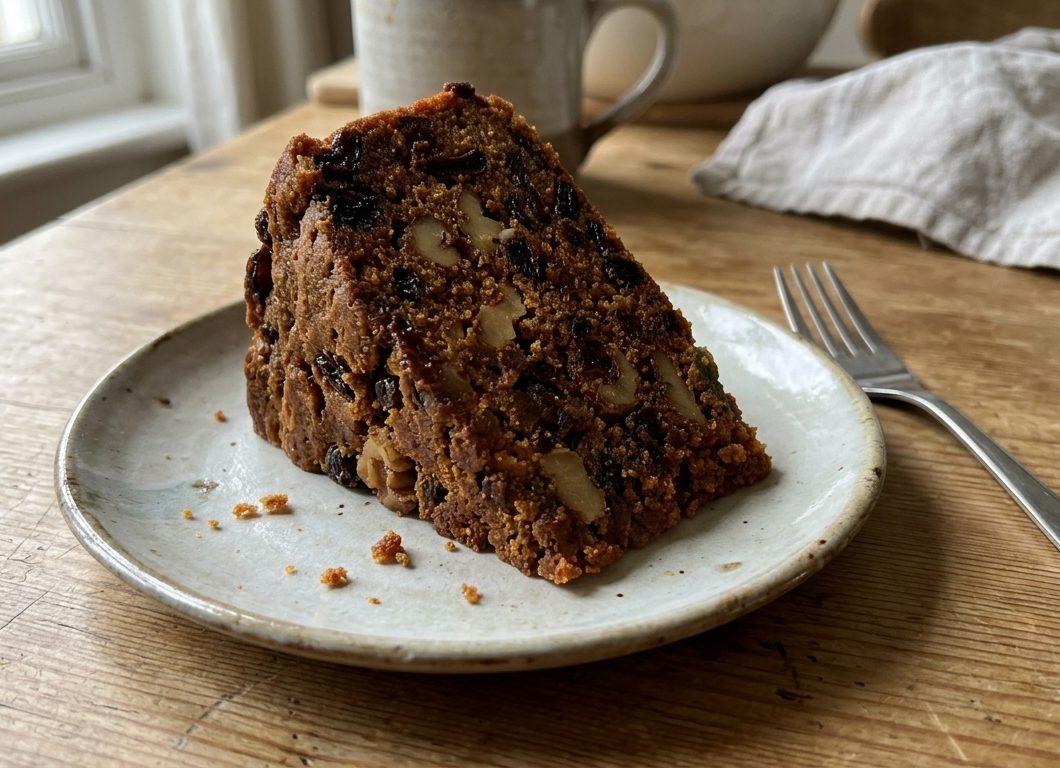
A rich, tender homemade fruit cake made with mixed dried fruits, dates, walnuts, warm spices, and orange juice. Finished with a simple orange syrup, this alcohol-free fruit cake is ideal for afternoon tea, holidays, and special occasions.
12
servings20
minutes1
hour15
minutes422
kcal1
hour35
minutesIngredients
- Fruit Cake
¾ cups (170 g) unsalted butter
¾ cups (150 g) soft brown sugar
½ cup (100 g) dates, pitted and cut into small pieces
⅔ cups (166 g) store-bought sweetened orange juice
1½ tbsp orange zest, from approximately 1 medium orange
2 tbsp (36 g) molasses
1¾ cups (210 g) all-purpose flour
1½ tsps baking powder
½ tsp salt — omit if using salted butter
1½ tsps cinnamon powder
½ tsp ground ginger powder
¼ tsp nutmeg
1 tsp allspice
¼ cup (52 g) unflavoured vegetable oil, such as canola oil
3 large eggs, at room temperature
1 cup (100 g) walnuts, halved
- Orange Syrup/Glaze
3 tbsp (50 g) freshly squeezed orange juice
1¾ tbsp (20 g) white granulated sugar
Directions
- Add the butter, brown sugar, dried fruits, firm dates if using, sweetened orange juice, orange zest, and molasses to a large saucepan. Bring to a simmer over medium heat and continue simmering for a few minutes. Transfer the mixture to a shallow dish and cool to room temperature. For faster cooling, place it in the freezer for about 45 minutes, checking regularly.
- Preheat a fan-assisted oven to 140°C (285°F). Grease an 8-by-3-inch cake tin and line the bottom with baking paper. If using a conventional oven without a fan function, set the temperature to 155°C (310°F).
- Sift the flour, baking powder, salt, cinnamon, ginger, nutmeg, and allspice into a bowl. Mix with a whisk or fork until evenly combined, then set aside.
- Combine the vegetable oil and room-temperature eggs in a small bowl. Whisk with a fork until blended.
- Place the cooled fruit mixture in a large bowl. Add the egg and oil mixture, folding with a spatula until thoroughly combined.
- Fold in the walnuts. If using soft, juicy dates, add them at this stage instead of simmering them with the dried fruit.
- Add the sifted dry ingredients and gently fold until no visible streaks of flour remain. Avoid overmixing.
- Transfer the batter to the prepared cake tin and spread evenly. Tap the tin gently on the countertop to release large air bubbles. Bake for 75–85 minutes, or until a skewer inserted into the center comes out without wet batter.
- Leave the cake in its tin for 30 minutes. Run a thin knife around the edges, carefully remove the cake, and transfer it to a wire rack.
- Combine the freshly squeezed orange juice and granulated sugar in a small bowl. Heat in the microwave or on the stovetop until the sugar dissolves completely.
- While the cake is still warm, brush the orange syrup evenly over the top and sides, using all the syrup.
- Wrap the cake in two layers of foil and place it in an airtight container. Store in a cool, dry place for 48 hours before serving to allow the flavors to develop and the texture to settle.
Notes
- The dried fruit mixture can be adjusted to suit your taste, but maintain a total of 350 g.
- Firm, packaged dates should be simmered with the fruit mixture. Soft, juicy dates can be folded in with the walnuts.
- Use 140°C (285°F) for a fan-assisted oven or 155°C (310°F) for a conventional oven.
- Fold the flour into the batter gently to avoid overmixing.
- Allow the full 48 hours for the best texture and flavor.
- Keep the wrapped cake in an airtight container in a cool, dry place during the resting period. For longer storage, refrigerate or freeze appropriately.
Nutrition Facts
- Total number of serves: 1
- Calories: 422kcal
- Fat: 25g
- Carbohydrates: 46g
- Fiber: 3g
- Sugar: 27g
- Protein: 6g


