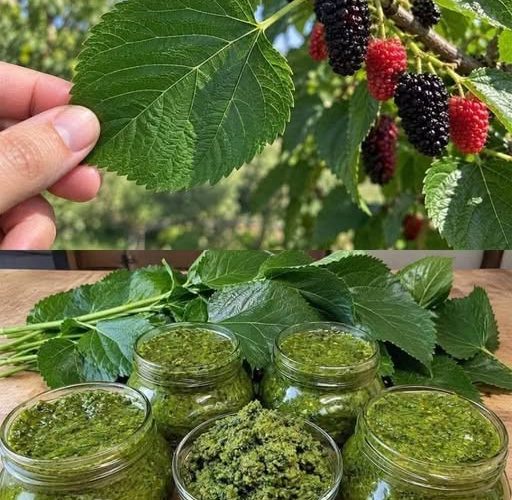
Mulberry trees are widely appreciated for their delicious, juicy berries, but their leaves are equally interesting because of their traditional uses and naturally occurring plant compounds. For generations, mulberry leaves have been used in different food cultures to prepare herbal teas, cooked vegetables, and homemade remedies. Today, they are attracting attention from researchers interested in their nutritional properties and potential health benefits. In particular, mulberry leaves contain natural antioxidants, flavonoids, polyphenols, and a compound known as 1-deoxynojirimycin (DNJ), which is being studied for its possible effects on carbohydrate digestion and blood sugar regulation.
Why Are Mulberry Leaves Becoming Popular?
Interest in mulberry leaves has increased as more people explore traditional herbal ingredients and plant-based food options. These leaves are available in several forms, including fresh leaves, dried leaves, herbal tea, and powdered preparations. They can be incorporated into everyday meals or enjoyed as a mild herbal beverage. Their growing popularity is also connected to scientific investigations into their antioxidant content and possible relationship with metabolic health. Although early research has produced interesting findings, it is important to distinguish between traditional uses, laboratory research, and proven health benefits in humans.
1. Mulberry Leaves May Help Support Healthy Blood Sugar Levels
One of the most widely researched potential benefits of mulberry leaves involves their relationship with blood sugar levels. They naturally contain 1-deoxynojirimycin (DNJ), a plant compound that can inhibit certain digestive enzymes responsible for breaking down carbohydrates into simple sugars. By slowing some carbohydrate digestion processes, DNJ may help reduce the increase in blood glucose that can occur after carbohydrate-rich meals. Researchers have investigated this effect in different mulberry leaf preparations, although the results can vary depending on the concentration, preparation method, and individual health circumstances.
It is important to understand that mulberry leaves are not a proven treatment or cure for diabetes. Although some studies suggest that particular preparations may influence post-meal blood glucose levels, more research is needed to establish their effectiveness and long-term safety. People living with diabetes should continue following their prescribed treatment plans, monitoring their blood glucose as recommended, and seeking medical advice before introducing mulberry leaf tea, powder, or supplements into their routine.
2. Rich in Natural Antioxidants and Plant Compounds
Mulberry leaves contain several naturally occurring compounds, including flavonoids and polyphenols, that demonstrate antioxidant activity. Antioxidants are important because they help the body manage oxidative stress, a condition associated with an imbalance between free radicals and the body’s natural antioxidant defenses. Oxidative stress is being investigated in connection with several aspects of general health and normal cellular function. Including a variety of antioxidant-containing plant foods in a balanced diet is a practical way to support overall nutrition.
Although laboratory research has identified interesting antioxidant properties in mulberry leaves, these findings do not automatically establish specific health benefits from drinking homemade mulberry leaf tea. The amount of beneficial compounds can differ according to the plant variety, growing conditions, leaf maturity, and preparation technique. For a balanced approach to nutrition, enjoy a variety of vegetables, fruits, legumes, and other plant-based foods rather than relying on one herbal ingredient.
3. Potential Benefits for Heart and Metabolic Health
Researchers are also exploring whether mulberry leaf extracts may influence cholesterol levels and other markers associated with cardiovascular and metabolic health. Some early findings suggest that certain plant compounds found in mulberry leaves could have potentially beneficial effects on blood lipid levels. These findings have generated interest in the possible role of mulberry leaves as part of a broader healthy lifestyle. However, research is still developing, and the available evidence is not sufficient to recommend mulberry leaves as a reliable way to prevent heart disease or lower cholesterol.
Maintaining cardiovascular health requires a combination of healthy everyday habits. Eating balanced meals, choosing appropriate sources of dietary fiber, staying physically active, getting adequate sleep, and attending regular medical checkups are all important. Anyone with high cholesterol, high blood pressure, or an existing heart condition should follow professional medical recommendations. Mulberry leaf preparations should never replace prescribed cholesterol-lowering medicines or other recommended cardiovascular treatments.
4. A Source of Naturally Occurring Plant Nutrients
Mulberry leaves contain various naturally occurring nutrients and plant compounds that contribute to their nutritional interest. Their exact composition depends on factors such as the mulberry variety, soil conditions, climate, growing environment, and stage of leaf development. In some food traditions, the leaves are consumed as cooked vegetables, providing another way to include leafy plant ingredients in everyday meals. Properly prepared leafy greens can contribute to a varied diet that includes different vitamins, minerals, and dietary fiber.
However, the nutritional composition of homemade mulberry leaf preparations should not be assumed to meet particular daily nutrient requirements. A cup of strained tea, a serving of cooked leaves, and a spoonful of homemade leaf powder are nutritionally different preparations. If your goal is to improve your overall nutrient intake, include several types of vegetables and other nutritious foods rather than depending exclusively on mulberry leaves.
5. May Contribute to Everyday Digestive Health
Another reason people are interested in mulberry leaves is their potential contribution to dietary fiber intake. When properly prepared leaves are eaten rather than strained, they provide plant material that can contribute to the fiber obtained from everyday foods. Dietary fiber supports normal bowel function and is an important part of a balanced eating pattern. Including a range of fiber-containing foods, such as vegetables, fruits, beans, and whole grains, can help support digestive health.
It is worth noting that mulberry leaf tea is different from eating the actual leaves. When the infusion is strained, most of the solid plant material is removed, meaning that the resulting beverage generally contains much less fiber than the whole leaves. There is currently insufficient scientific evidence to recommend mulberry leaf tea as a treatment for constipation, bloating, or other digestive disorders. Anyone experiencing persistent digestive symptoms should seek appropriate medical advice.
6. Mulberry Leaves and Their Potential Skin Benefits
Mulberry plants contain natural compounds that have attracted attention in skincare research. Certain extracts are being investigated for their antioxidant properties and possible effects on processes associated with skin pigmentation. As a result, mulberry-derived ingredients are sometimes included in commercially formulated skincare products. These applications have created interest in whether homemade mulberry leaf preparations might also have cosmetic uses.
However, evidence supporting homemade mulberry leaf tea as a treatment for acne, dark spots, eczema, rashes, or other skin conditions remains limited. Results from laboratory experiments or specially formulated skincare products cannot automatically be applied to homemade herbal preparations. If you decide to try a new topical product, test it on a small area of intact skin first. Avoid applying homemade preparations to wounds, infected areas, or severely irritated skin, and seek professional advice if a skin condition persists.
7. Five Easy Ways to Use Mulberry Leaves at Home
Mulberry leaves can be prepared in several ways, depending on whether you prefer a warm herbal drink, a cooked vegetable side dish, or an ingredient for homemade recipes. Fresh and dried leaves are used differently, so selecting the appropriate preparation method is important. Before making any recipe, confirm that the leaves are correctly identified as edible mulberry leaves and come from a safe, uncontaminated source. The following five preparations offer simple ways to explore their traditional culinary uses without treating them as substitutes for medical care.
Recipe 1: Homemade Mulberry Leaf Tea
Mulberry leaf tea is one of the easiest ways to prepare and enjoy dried mulberry leaves. It has a mild, earthy flavor and can be served warm as part of an ordinary beverage routine. The preparation requires only dried mulberry leaves and hot water, making it a convenient option for people who enjoy simple herbal infusions. Allowing the leaves to steep for several minutes helps transfer their flavor into the water. The strength of homemade tea can vary, so begin with a mild preparation if you have never tried it before.
For this herbal tea, place one to two teaspoons of dried mulberry leaves in a clean mug or teapot and pour one cup of hot water over them. Cover the container and allow the leaves to steep for five to ten minutes. Strain the infusion into a cup and let it cool until it reaches a comfortable drinking temperature. Enjoy the tea as a beverage, remembering that homemade mulberry leaf tea has not been established as a treatment for diabetes or other medical conditions.
Recipe 2: Cooked Mulberry Leaves with Garlic and Olive Oil
Cooked mulberry leaves are another traditional way to use this plant as a food ingredient. When prepared appropriately, the leaves can be served as a simple vegetable side dish. Combining them with olive oil and garlic creates a mild, savory flavor that works well alongside everyday meals. Proper preparation is especially important because leaves collected from unknown trees may be exposed to pesticides, pollution, or other contaminants. Always use positively identified, food-safe mulberry leaves and cook them appropriately before serving.
Start by washing one handful of mulberry leaves thoroughly under clean running water. Remove tough stems and discard damaged portions. Boil the leaves until tender using a suitable preparation method for edible mulberry greens, then drain them thoroughly. Heat one teaspoon of olive oil in a pan over medium-low heat and briefly cook one finely chopped garlic clove until fragrant. Add the cooked leaves and sauté for a few minutes. Season with a small amount of optional salt and serve warm.
Recipe 3: Homemade Mulberry Leaf Powder
Mulberry leaf powder is a convenient preparation that can be added in small amounts to selected foods. It is made by drying correctly identified leaves and grinding them into a fine consistency. Some people experiment with adding homemade leaf powder to oatmeal, smoothies, or soups to introduce a different plant-based ingredient into their meals. However, careful cleaning and complete drying are essential because moisture can encourage mold growth during storage. Homemade powder also has no standardized concentration of DNJ or other active compounds.
To prepare it, select fresh, undamaged, food-safe mulberry leaves and wash them thoroughly. Remove excess water before placing the leaves in a suitable food dehydrator. Follow the manufacturer’s instructions and ensure that the leaves become completely dry. Once dried, grind them into a fine powder using a clean grinder. Transfer the finished powder into a clean, dry, airtight container and store it in a cool, dry place. Check regularly for moisture, mold, or unusual odors and discard the powder if you notice any signs of spoilage.
Recipe 4: Homemade Mulberry Leaf Jelly
Mulberry leaf jelly is a creative way to transform a simple herbal infusion into a chilled dessert. Rather than drinking the tea directly, you can use it as the liquid base for a lightly flavored jelly. This preparation is suitable for people who enjoy experimenting with homemade desserts and alternative ways to serve herbal beverages. Agar-agar or unflavored gelatin can be used according to the package directions, depending on your preferred setting agent. A small amount of optional sweetener can also be added if you prefer a sweeter taste.
Begin by brewing two cups of mulberry leaf tea and straining the infusion thoroughly. Pour the prepared tea into a saucepan and add agar-agar or unflavored gelatin in the amount specified by the package instructions. Heat and stir the mixture as directed until the setting ingredient dissolves properly. Add a small amount of sweetener if desired, then pour the liquid into clean serving dishes. Allow the mixture to cool before refrigerating it until completely set. Serve chilled as a simple herbal dessert. Turning mulberry tea into jelly does not have any established additional health benefits.
Recipe 5: Cooled Mulberry Leaf Tea Compress
A cooled mulberry leaf tea compress is a simple preparation sometimes explored as part of traditional home skincare routines. It involves making a mild herbal infusion, allowing it to cool, and applying the liquid with a clean cloth to a small area of intact skin. The cooled cloth may feel refreshing, but there is insufficient scientific evidence that mulberry leaf compresses can treat acne, dark spots, eczema, or other skin conditions. It is therefore best viewed as a limited cosmetic preparation rather than a medical remedy.
To prepare the compress, make a mild infusion using correctly identified, food-safe mulberry leaves. Strain the liquid carefully and allow it to cool completely. Dip a clean cloth into the cooled infusion and gently place it on a small area of intact skin for a short period. Stop immediately if you experience redness, itching, burning, or discomfort. Use a fresh preparation and clean cloth each time. Never apply the infusion to wounds, infected skin, or severe rashes.
How to Select Fresh Mulberry Leaves Safely
Choosing suitable leaves is an important first step when preparing mulberry tea, cooked greens, or homemade powder. Fresh leaves should be correctly identified, clean, and free from visible damage or signs of disease. Avoid collecting leaves from busy roadsides, industrial locations, or areas where pesticides and other chemicals may be used. Road dust, animal waste, and environmental contaminants can make otherwise healthy-looking leaves unsuitable for consumption. When possible, obtain leaves from a trusted food-safe source rather than relying on unidentified wild plants.
It is also important to inspect the leaves before using them. Remove damaged portions, discard leaves showing signs of mold or decay, and rinse the remaining leaves thoroughly under clean running water. If you are planning to dry the leaves, remove excess surface moisture and use clean equipment. Correct plant identification and careful sourcing are more important than appearance alone because not every green leaf collected outdoors is suitable for eating or preparing herbal beverages.
How to Dry and Store Mulberry Leaves
Proper drying and storage help protect homemade mulberry leaf preparations from moisture and spoilage. If you plan to make dried leaves or powder, use a suitable food dehydrator and follow its operating instructions. The leaves must become completely dry before grinding or transferring them into a storage container. Partially dried leaves can retain moisture, creating conditions that encourage mold development. Clean equipment and appropriate drying conditions are essential for preparing a product that can be stored safely.
Once completely dry, transfer the leaves or powder into a clean, dry, airtight container. Keep the container in a cool, dry location away from direct sunlight and moisture. Check the stored product regularly for unusual odors, visible mold, dampness, or other changes. Discard anything that appears spoiled. Homemade dried leaves do not have a guaranteed shelf life because storage conditions and drying quality vary. It is also not possible to assume that their natural plant compounds will remain at the same concentration throughout storage.
Important Safety Precautions Before Using Mulberry Leaves
Although mulberry leaves have a history of culinary and traditional use, natural plant ingredients are not automatically suitable for everyone. Different preparations may contain different amounts of naturally occurring compounds, and their effects can vary between individuals. Herbal tea, cooked leaves, homemade powder, and concentrated extracts should not be treated as interchangeable products. Anyone considering regular use should take existing medical conditions, prescription medicines, and individual sensitivities into account before introducing mulberry leaf preparations into their routine.
People taking diabetes medication should be particularly careful because certain mulberry leaf preparations may influence blood glucose levels. Combining them with insulin or other glucose-lowering medicines could potentially increase the risk of hypoglycemia, which means blood sugar becoming too low. People with diabetes should consult their healthcare professional before using mulberry leaf products regularly. Similarly, anyone taking prescription medicines should ask a qualified healthcare professional or pharmacist about possible interactions, particularly when using concentrated extracts or supplements.
Pregnant and breastfeeding individuals should avoid medicinal use of mulberry leaf products unless a healthcare professional confirms that it is appropriate. Safety information for these situations is limited. People with known plant allergies should also be cautious and stop using a preparation if they develop itching, swelling, a rash, or other signs of an allergic reaction. Breathing difficulties or throat swelling require urgent medical attention. Most importantly, mulberry leaves should never replace prescribed medicines, professional medical advice, or established treatments for ongoing health conditions.
Frequently Asked Questions About Mulberry Leaves
Can You Drink Mulberry Leaf Tea Every Day?
There is currently insufficient evidence to establish a universally safe daily amount of homemade mulberry leaf tea. The strength of the infusion can vary according to the quantity of dried leaves, steeping time, and the characteristics of the plant material. Occasional culinary use and regular medicinal use are not necessarily equivalent. If you are considering drinking mulberry leaf tea frequently, speak with a healthcare professional first, especially if you have diabetes, another medical condition, or take prescription medication.
Can Mulberry Leaves Help Control Blood Sugar?
Some research suggests that particular mulberry leaf preparations containing DNJ may help reduce the increase in blood glucose following carbohydrate-rich meals. This potential effect is associated with the ability of DNJ to inhibit certain enzymes involved in carbohydrate digestion. However, results may differ depending on the preparation and individual health circumstances. Mulberry leaves should not be used as a replacement for diabetes medication, prescribed dietary guidance, blood glucose monitoring, or professional medical care.
Can You Eat Fresh Mulberry Leaves?
Mulberry leaves are consumed as leafy greens in certain food traditions, but proper identification and preparation are essential. Fresh leaves should come from a safe source, be washed thoroughly, and be cooked using an appropriate preparation method. Avoid eating raw leaves collected from unknown trees, roadside locations, or areas where pesticides and other contaminants may be present. If you are uncertain about the identity or safety of a plant, do not consume it.
Can Mulberry Leaves Improve Skin Health?
Mulberry-derived compounds are being investigated for possible applications in skincare, particularly because of their antioxidant properties and potential relationship with skin pigmentation. However, there is not enough reliable evidence to conclude that homemade mulberry leaf tea or compresses can treat acne, dark spots, eczema, or other skin conditions. For persistent skin concerns, consult a qualified healthcare professional or dermatologist rather than depending on homemade herbal preparations.
Do Mulberry Leaves Have Any Side Effects?
Mulberry leaf preparations may cause digestive discomfort in some individuals and could influence blood glucose levels. The potential effects can differ according to whether someone consumes cooked leaves, drinks homemade tea, or uses a concentrated supplement. People taking glucose-lowering medication should be particularly cautious because of the possible risk of low blood sugar. Discontinue use if an adverse reaction occurs and seek appropriate medical advice.
Are Mulberry Leaf Tea and Mulberry Leaf Supplements the Same?
No, mulberry leaf tea and supplements are different preparations. Homemade tea is generally made by steeping dried leaves in hot water, while supplements may contain concentrated extracts with different levels of naturally occurring plant compounds. Cooked leaves and homemade powders also have different compositions. Research conducted using a standardized extract cannot automatically be applied to ordinary tea or homemade food preparations. Always check supplement information and seek professional advice before using concentrated products.
Recipe Title: Homemade Mulberry Leaf Tea
Description:
Homemade mulberry leaf tea is a simple herbal infusion prepared using dried mulberry leaves and hot water. It has a mild, earthy flavor and requires only a few minutes of preparation. This easy herbal tea can be enjoyed warm as part of an ordinary beverage routine.
Preparation & Cooking Duration:
- Preparation Time: 2 minutes
- Steeping Time: 5–10 minutes
- Total Time: Approximately 7–12 minutes
- Cooking Required: No separate cooking required
Serving:
1 cup
Ingredients:
- 1–2 teaspoons dried mulberry leaves
- 1 cup hot water
Step-by-Step Instructions:
- Prepare the Leaves: Place 1–2 teaspoons of dried mulberry leaves into a clean mug or teapot.
- Add Hot Water: Carefully pour one cup of hot water over the dried leaves, making sure they are fully covered.
- Allow the Tea to Steep: Cover the mug or teapot and leave the leaves to infuse for approximately 5–10 minutes, depending on your preferred flavor strength.
- Strain the Infusion: Pour the prepared tea through a suitable strainer to remove all the dried leaves.
- Cool Before Serving: Allow the tea to cool slightly until it reaches a comfortable drinking temperature.
- Enjoy Fresh: Serve the mulberry leaf tea warm and enjoy its mild, earthy flavor.
Nutritional Information:
Exact nutritional values for homemade mulberry leaf tea are not established because they depend on the leaf variety, quantity, drying process, and steeping method. A reliable nutritional breakdown cannot be provided without laboratory testing.
- Calories: Not established
- Carbohydrates: Not established
- Protein: Not established
- Fat: Not established
- Fiber: Generally very low in strained tea
- Sugar: Not established
Recipe Notes:
- Use only correctly identified, food-safe dried mulberry leaves.
- Choose leaves from a source that has not been exposed to pesticides or environmental contamination.
- Avoid using leaves with unusual odors, visible mold, or signs of spoilage.
- Adjust the steeping time within the recommended range according to your preferred flavor.
- Start with a mild infusion if you have never consumed mulberry leaf tea.
- People taking diabetes medication should consult a healthcare professional before using mulberry leaf preparations regularly.
- Homemade mulberry leaf tea should be enjoyed as a beverage, not used as a substitute for prescribed medical treatment.


