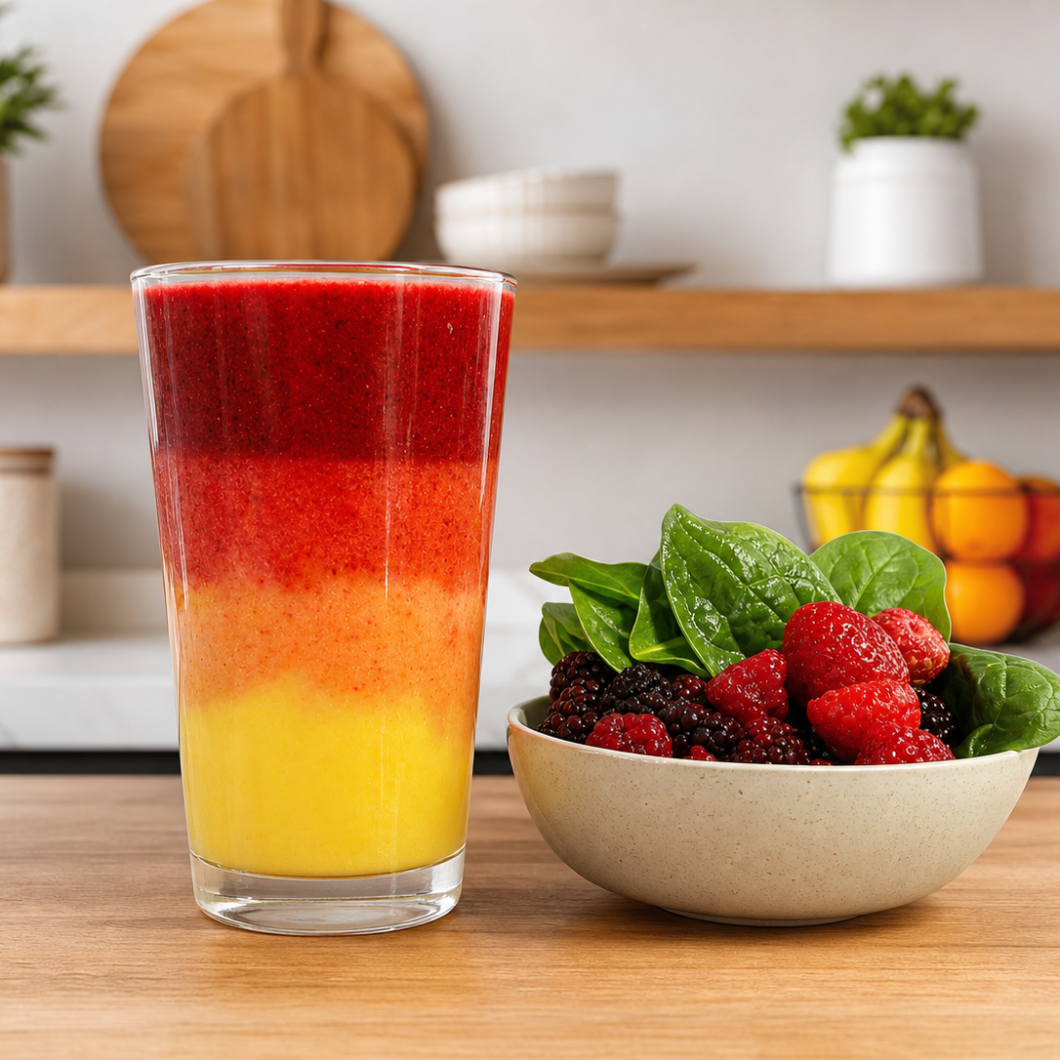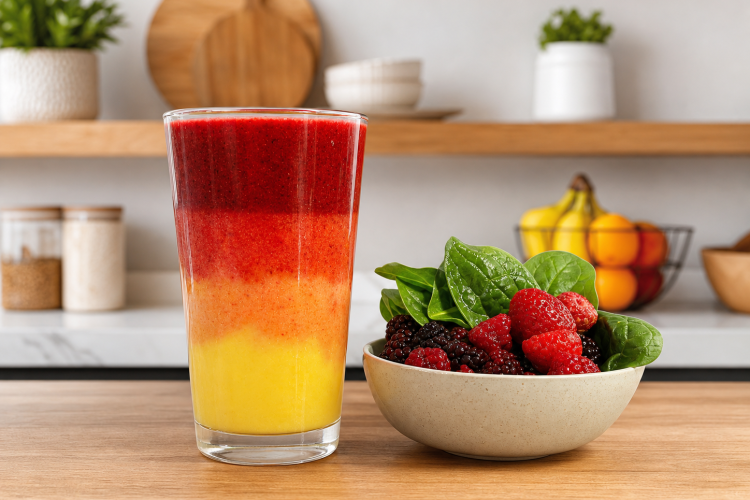
A Colorful Homemade Mixed Fruit Juice
Tutti Frutti Juice is a vibrant homemade mixed fruit drink prepared with a generous combination of ripe mango, fresh pineapple, apples, oranges, watermelon, papaya, banana, strawberries, and grapes. Each fruit contributes its own flavor, aroma, color, and texture, creating a refreshing beverage that is much more interesting than juice made from a single fruit. Cold water, fresh lemon juice, sugar, and ice help bring everything together into a balanced drink that can be enjoyed at breakfast, during an afternoon break, or alongside snacks and desserts. With its naturally colorful appearance and fresh fruity taste, this easy homemade juice recipe is also a lovely choice for family gatherings and warm-weather occasions.
What Makes Tutti Frutti Juice Different
The main attraction of Tutti Frutti Juice is the variety of fruit in one glass. Instead of allowing one ingredient to dominate, the recipe combines sweet, juicy, tangy, soft, and aromatic fruits to create layers of flavor. Ripe mango and banana give the drink body, while pineapple and orange provide brightness. Watermelon contributes plenty of refreshing moisture, papaya adds softness, and strawberries and grapes bring additional fruity notes. Apples add a mild crisp flavor that helps round out the mixture. The result is a colorful mixed fruit juice with a smooth and satisfying character that can be adjusted according to the preferred consistency.
Choosing Ripe Fruit for the Best Flavor
Fresh fruit quality has a major influence on homemade juice, especially when several fruits are combined in one recipe. Mangoes should be fragrant and ripe, with soft flesh that blends easily. Pineapple should have a fresh tropical aroma and juicy interior. Apples should be crisp and free from bruised areas, while watermelon should be sweet and juicy. Papaya should be ripe enough to blend smoothly without having an unpleasant fermented smell. Strawberries should look fresh and vibrant, and grapes should be firm and juicy. A ripe but not excessively soft banana is ideal because banana has a strong flavor and can easily become the dominant ingredient when it is overly mature.
Preparing the Fruit Before Blending
Proper preparation makes the blending process easier and helps produce a smoother homemade fruit drink. Begin by washing the fruits thoroughly under clean running water, especially the apples, grapes, and strawberries. Peel and chop the mango, remove the pineapple skin and hard core, and core the apples before cutting them into manageable pieces. Remove the watermelon rind and any visible seeds, then prepare the papaya by removing its seeds and skin. Hull the strawberries and remove grape stems. Finally, peel the banana shortly before blending so it remains fresh and does not sit exposed to air for too long. Preparing everything before switching on the blender makes the process organized and efficient.
The Role of Mango in the Fruit Blend
Mango provides one of the strongest sweet and tropical flavors in this mixed fruit juice. Its soft flesh also contributes natural thickness, which helps give the beverage a fuller texture. When choosing mangoes, look for ripe fruit with a pleasant aroma and flesh that is easy to cut. The recipe calls for two cups of ripe mango, which provides enough flavor to be noticeable without completely overpowering the pineapple, orange, watermelon, berries, and other ingredients. Mango works particularly well with citrus and tropical fruits, making it an important part of the balanced flavor profile of this colorful Tutti Frutti beverage.
Pineapple and Orange Add Brightness
Pineapple and freshly squeezed orange juice provide the brighter side of this fruit combination. Pineapple has a naturally sweet-tart tropical character, while orange juice contributes citrus aroma and acidity. Freshly squeezed orange juice can make the drink taste especially lively because its flavor is more immediate and aromatic. Together, these ingredients help balance the softer fruits such as banana, mango, and papaya. This contrast is important because a mixed fruit beverage containing only sweet fruits can sometimes taste heavy. The pineapple and orange help create a fresher finish, while the lemon juice added later provides another layer of acidity.
Watermelon Keeps the Drink Refreshing
Watermelon contributes a large amount of natural moisture and gives the juice a particularly refreshing quality. Its flavor is delicate compared with mango or pineapple, so it blends easily into the background while still contributing sweetness and juiciness. Three cups of cubed watermelon are used in the recipe, making it one of the larger fruit components. Because watermelon contains considerable water naturally, it also affects the final consistency. This is one reason the recipe recommends adding the cold water gradually rather than pouring the entire amount into the blender at once. The final quantity of water can be adjusted according to the desired thickness.
Papaya and Banana Create Body
Papaya and banana help give Tutti Frutti Juice a thicker, smoother texture. Both fruits have soft flesh that breaks down easily in a blender, making them useful when you want a beverage that feels more substantial than a thin juice. The banana also adds natural sweetness, while papaya contributes a gentle tropical flavor. Because banana has a noticeable taste, the recipe uses one large banana rather than several. Starting the blend with mango, papaya, and banana allows these soft fruits to become smooth before the remaining ingredients are introduced. This creates a good base for incorporating the more watery and fibrous fruits.
Strawberries and Grapes Add More Fruit Flavor
Strawberries and grapes bring additional color and flavor to the finished drink. Strawberries provide a fresh berry character and can add an attractive rosy tone, depending on the fruit used. Grapes contribute sweetness and juiciness while blending easily into the mixture. Seedless grapes are convenient because they require less preparation, although the important point is to wash them thoroughly and remove the stems. The recipe uses one cup of strawberries and one cup of seedless grapes, giving both fruits enough presence to be noticed without competing too heavily with the tropical and citrus flavors.
Why Fresh Lemon Juice Is Important
Fresh lemon juice may seem like a small addition when compared with the large quantity of fruit, but it plays an important role in balancing the overall flavor. The recipe calls for two tablespoons of fresh lemon juice, which adds acidity and helps brighten the sweetness of the mango, banana, grapes, and watermelon. It is best to add the lemon gradually or taste the mixture after blending because the natural sweetness and acidity of fruit can vary. The finished beverage should taste fresh and lively rather than sharply sour. A balanced amount of lemon makes the individual fruit flavors feel clearer and more refreshing.
How to Blend the Fruit Smoothly
The blending process is easiest when the softer fruits are added first. Begin with the mango, papaya, and banana, then add approximately one cup of cold water and blend until smooth. Next, incorporate the watermelon and pineapple along with the freshly squeezed orange juice. After those ingredients are blended, add the chopped apples, strawberries, and grapes together with another cup of cold water. Continue blending until the fruit mixture reaches the desired texture. The remaining water can be added gradually. This method gives you better control over consistency and prevents the finished juice from becoming unnecessarily thin.
Adjusting the Consistency Naturally
One of the useful features of this homemade Tutti Frutti Juice recipe is that the consistency can be changed without altering the main fruit ingredients. If you prefer a thick drink with a smoothie-like texture, use less water and retain more of the fruit pulp. For a lighter juice that pours easily and works well with a straw, gradually add more of the specified cold water. Fruit sizes and moisture levels are never exactly identical, so adding water slowly is more practical than immediately using the full quantity. This allows you to create the texture you prefer while keeping the fruit flavors concentrated.
Deciding Whether to Strain the Juice
Tutti Frutti Juice can be served either strained or unstrained, depending on the texture you enjoy. Leaving the blended fruit mixture unstrained creates a thicker beverage with more natural fruit pulp and a smoothie-like consistency. Straining produces a smoother and lighter drink that may be easier to sip through a straw. If choosing to strain it, use a fine-mesh strainer and press the blended mixture gently with the back of a spoon. The decision is entirely a matter of texture preference. Neither approach changes the basic flavor combination, so you can prepare the same recipe in either style.
Balancing the Sweetness
The recipe includes four to six tablespoons of sugar, allowing the sweetness to be adjusted according to taste. Before adding the full amount, it is useful to taste the blended fruit because ripe mangoes, bananas, grapes, watermelon, and other fruits already contain natural sweetness. Some batches may need more sugar, while others may require less. Add the sugar gradually and blend briefly after each addition so that it dissolves evenly. The goal is to complement the fruit rather than cover its natural flavor. This simple tasting step is particularly important when fruit ripeness varies from one batch to another.
Using Ice for a Chilled Fruit Drink
Two cups of ice cubes are included in the recipe to make the beverage cold and refreshing. Ice can be added during preparation or used in individual glasses when serving. If the fruit and water are already chilled, you may prefer to serve the juice over ice rather than blending all the ice into the mixture. For particularly hot weather, some of the fruit can also be chilled in advance. Frozen fruit pieces can provide additional coldness while contributing flavor as they soften. Whichever approach you choose, the final drink should be served cold for the best refreshing effect.
Optional Mint and Black Salt
Fresh mint leaves and a very small pinch of black salt are optional additions in the original ingredient list. Six to eight mint leaves can provide a cool herbal aroma that contrasts nicely with the sweet fruit. Black salt can give the drink a slightly distinctive savory edge, but only a very small amount should be used because its flavor can become noticeable quickly. These ingredients are not necessary for a successful Tutti Frutti Juice, but they provide simple ways to give the finished drink a slightly different character while keeping the main fruit combination intact.
Serving Tutti Frutti Juice for Breakfast
This colorful fruit drink can make a refreshing addition to a breakfast table. Serve it chilled in tall glasses alongside toast, sandwiches, pancakes, fruit, or other breakfast foods. Because the recipe contains a wide range of fresh fruits, it can also be served as part of a larger fruit-based breakfast spread. For a more attractive presentation, use clear glasses that allow the bright color of the juice to show. A small mint leaf or piece of fresh fruit can be placed on the rim as a simple garnish. Preparing the juice shortly before breakfast keeps its flavor fresh and vibrant.
Serving the Juice at Parties and Gatherings
Tutti Frutti Juice is also well suited to family gatherings, celebrations, summer meals, and casual parties because its colorful appearance naturally makes it inviting. Prepare the juice in a large pitcher and keep it chilled until serving. Add ice shortly before guests are ready to drink it so the beverage does not become unnecessarily diluted. Individual glasses can be decorated with orange slices, strawberries, pineapple pieces, or mint leaves. If you want a sparkling variation, prepare the fruit juice first and gently combine it with sparkling water just before serving rather than blending carbonated liquid in the blender.
Tropical Coconut Water Variation
For a tropical variation, the recipe includes an optional one cup of coconut water. Coconut water can replace part of the cold water when you want to introduce another tropical note. Mango, pineapple, watermelon, orange, and coconut flavors naturally work well together, making this variation especially suitable for warm-weather occasions. The important point is to add coconut water without making the drink excessively diluted. Taste the finished mixture before adding additional sweetener because both the fruit and coconut water contribute their own flavor. This version remains closely related to the original drink while giving it a slightly different tropical character.
Floral Rose Water Variation
Another optional addition is one-half teaspoon of rose water. Rose water has a distinctive floral aroma, so only the specified small quantity should be used. It can turn the basic mixed fruit drink into something more aromatic and dessert-like. Rose water works particularly well with fruits such as strawberry, mango, orange, and watermelon, but its flavor should remain subtle. Add it after blending and stir thoroughly before tasting. If the floral aroma becomes too strong, it can distract from the fresh fruit combination. Used carefully, however, it can provide an elegant variation for special occasions.
Vanilla Dessert-Style Variation
The recipe also provides an optional one-quarter teaspoon of vanilla extract for a dessert-inspired version. Vanilla can soften the sharper edges of citrus and add a gentle sweet aroma to the fruit mixture. Because vanilla is concentrated, the recipe calls for only a very small amount. Add it after the fruit has been blended and mix thoroughly. This variation can work particularly well when the juice is served alongside desserts or used as part of a special brunch menu. The basic fruit combination remains the same, but the vanilla creates a warmer aroma that makes the drink feel slightly more indulgent.
Honey as an Alternative Sweetener
One to two tablespoons of honey can be used instead of some of the sugar if preferred. Since the fruit itself contributes natural sweetness, always taste the juice before deciding how much additional sweetener is necessary. Honey has its own distinctive flavor, so it will create a slightly different result from granulated sugar. If using honey, blend it thoroughly into the liquid portion of the drink so it distributes evenly. The optional honey should be viewed as a variation rather than an addition to the full sugar quantity, because using both in larger amounts could make the finished drink excessively sweet.
Keeping the Juice Fresh
Fresh mixed fruit juice is best enjoyed soon after preparation because its texture and flavor can change over time. If you need to prepare it ahead, transfer the finished beverage into a clean, covered container and refrigerate it promptly. Natural fruit pulp may settle at the bottom during storage, so gently stir or shake the drink before serving. The color may also change slightly as the fruit mixture sits. For the best taste and freshness, prepare only the amount you expect to consume within a short period and keep the beverage cold whenever it is not being served.
Common Preparation Mistakes to Avoid
Several simple mistakes can affect the final result. Using fruit that is unripe can make the drink less flavorful, while overly ripe banana can dominate the entire mixture. Adding all the water at once can make it difficult to correct an overly thin consistency. Too much lemon juice can make the drink sharply acidic, and too much sugar can hide the natural fruit flavors. Another common issue is overloading the blender beyond its capacity. If your blender is small, work in batches rather than forcing all the ingredients into the container at once. These practical steps help create a smoother and more balanced beverage.
Notes for Making the Best Tutti Frutti Juice
For a particularly refreshing drink, chill the fruits before blending and use cold water as specified. Add the water gradually so the consistency remains under your control. Taste the juice after adding lemon before deciding how much sugar is needed. If you want a thick beverage, leave the fruit pulp in place; if you prefer a smoother café-style juice, strain it carefully. Fresh mint can be added at serving time for aroma. When preparing the drink for a gathering, keep the main pitcher refrigerated and add ice to individual glasses whenever possible to help maintain the original flavor.
Frequently Asked Questions About Tutti Frutti Juice
Tutti Frutti Juice can be prepared in several ways while keeping the same basic recipe. It can be served thick with the natural fruit pulp or strained for a lighter texture. The water can be adjusted gradually to suit personal preference, while sugar can be changed according to the sweetness of the fruit. The drink is best served cold and can be garnished with mint or fresh fruit. Optional ingredients such as coconut water, rose water, vanilla extract, honey, and black salt provide additional variations. Because the recipe contains fresh fruit, refrigeration is recommended when the juice is not being served immediately.
Why This Homemade Fruit Drink Is Worth Making
Homemade Tutti Frutti Juice is appealing because it turns a variety of fresh fruits into one colorful and refreshing beverage without requiring complicated cooking. The recipe is flexible enough for breakfast, parties, family meals, afternoon refreshments, and special occasions. Mango, pineapple, orange, watermelon, papaya, banana, strawberries, grapes, and apples each bring something different to the glass, while lemon juice helps balance the sweetness. With cold water and ice providing the finishing touch, the result is an easy mixed fruit juice that looks as good as it tastes and can be adjusted to suit different serving styles.
Final Recipe Overview
This homemade Tutti Frutti Juice brings together nine different fruits to create a vibrant mixed fruit beverage with tropical, citrus, berry, and refreshing flavors. The preparation is straightforward: wash and cut the fruit, squeeze the oranges and lemon, blend the softer fruits first, incorporate the remaining ingredients, and gradually adjust the water until the desired consistency is reached. Sugar can be added according to taste, while optional mint and black salt provide additional flavor. Serve the finished juice chilled over ice, garnish simply, and enjoy this colorful homemade fruit drink while it is fresh.
Tutti Frutti Juice
Description
Tutti Frutti Juice is a colorful homemade mixed fruit drink made with ripe mango, fresh pineapple, apples, oranges, watermelon, papaya, banana, strawberries, and seedless grapes. Fresh lemon juice adds brightness, while cold water, sugar, and ice bring the mixture together into a refreshing fruit beverage. Optional mint leaves, black salt, coconut water, rose water, vanilla, or honey can be used for variations.
Preparation & Cooking Duration
- Preparation Time: Approximately 25–30 minutes
- Blending Time: Approximately 2–4 minutes
- Chilling Time: 30–60 minutes, optional
- Total Time: Approximately 30–90 minutes, depending on chilling
- Cooking: No cooking required
Serving
- Yield: Approximately 6–8 servings
- Best Served: Chilled
- Suitable For: Breakfast, afternoon refreshments, family gatherings, parties, summer meals, snacks, and desserts
Ingredients
Fresh Fruit
- 2 cups ripe mango, peeled and chopped
- 2 cups fresh pineapple, peeled and chopped
- 2 medium apples, cored and chopped
- 3 large oranges, freshly squeezed
- 3 cups watermelon, cubed
- 1 cup ripe papaya, peeled and chopped
- 1 large banana, peeled
- 1 cup strawberries, washed and hulled
- 1 cup seedless grapes, washed
Liquid and Flavoring
- 3 cups cold water
- 4–6 tablespoons sugar, according to taste
- 2 tablespoons fresh lemon juice
- 2 cups ice cubes
- 6–8 fresh mint leaves, optional
- A very small pinch of black salt, optional
Optional Variations
- 1 cup coconut water for a tropical variation
- 1/2 teaspoon rose water for floral aroma
- 1/4 teaspoon vanilla extract for a dessert-style version
- 1–2 tablespoons honey instead of some of the sugar
Step-by-Step Instructions
Step 1: Wash the Fruit
Wash all fresh fruit thoroughly under clean running water. Pay particular attention to apples, grapes, and strawberries. Drain the fruit well before cutting.
Step 2: Prepare the Mango
Peel the mango, remove the central seed, and cut the flesh into medium-sized pieces.
Step 3: Prepare the Pineapple
Remove the pineapple crown and outer skin. Cut away the hard central core and chop the remaining flesh into chunks.
Step 4: Prepare the Apples
Wash the apples, remove their cores and seeds, and chop the flesh into small pieces. The skin can be left on if preferred.
Step 5: Prepare the Watermelon
Remove the watermelon rind and cut the flesh into cubes. Remove visible seeds if necessary.
Step 6: Prepare the Papaya
Cut the papaya open, scoop out the seeds, remove the skin, and cut the flesh into chunks.
Step 7: Prepare the Strawberries and Grapes
Remove the green tops from the strawberries and cut large berries in half. Remove the grape stems and rinse the grapes thoroughly.
Step 8: Prepare the Banana
Peel the banana just before blending and cut it into several pieces.
Step 9: Squeeze the Citrus
Cut the oranges in half and squeeze out the fresh juice. Remove any large seeds. Prepare approximately two tablespoons of fresh lemon juice.
Step 10: Blend the Soft Fruits
Place the mango, papaya, and banana in a blender. Add approximately 1 cup of the cold water and blend for about 30–45 seconds, or until smooth.
Step 11: Add the Juicy Fruits
Add the watermelon and pineapple to the blender. Pour in the freshly squeezed orange juice and blend until the ingredients are well combined.
Step 12: Add the Remaining Fruit
Add the chopped apples, strawberries, and grapes. Pour in another cup of cold water and blend until the mixture becomes smooth.
Step 13: Adjust the Consistency
Gradually add the remaining cold water until the juice reaches your preferred consistency. Use less water for a thicker drink and more for a lighter juice.
Step 14: Add Lemon Juice
Pour in the fresh lemon juice and blend for approximately 10 seconds. Taste the mixture and adjust only if necessary.
Step 15: Sweeten to Taste
Add the sugar gradually, using 4–6 tablespoons according to taste. Blend briefly after each addition and taste before adding more.
Step 16: Add Optional Seasonings
If desired, add a very small pinch of black salt and blend briefly. Fresh mint leaves can be added during serving for a refreshing aroma.
Step 17: Strain if Desired
For a thicker, pulp-rich drink, serve the juice without straining. For a smoother and lighter beverage, pour it through a fine-mesh strainer and gently press the mixture with the back of a spoon.
Step 18: Chill the Juice
Transfer the finished juice to a covered pitcher and refrigerate for approximately 30–60 minutes. Alternatively, serve immediately over the specified ice cubes.
Step 19: Serve
Pour the chilled Tutti Frutti Juice into glasses filled with ice. Garnish with fresh mint, a strawberry, orange slice, pineapple wedge, or small pieces of fresh fruit if desired.
Notes
Control the Water
Add cold water gradually rather than all at once. Different fruits contain different amounts of natural moisture, so gradual addition gives you better control over the final consistency.
Taste Before Adding Sugar
Ripe mango, banana, watermelon, grapes, and other fruits can provide plenty of natural sweetness. Taste the blended mixture first and then add the sugar according to your preference.
Keep the Lemon Balanced
Fresh lemon juice should brighten the fruit flavors without making the drink strongly sour. Add it carefully and taste before making further adjustments.
Choose Strained or Unstrained
An unstrained version is thicker and contains more natural fruit pulp. Straining creates a smoother, lighter juice that is easier to drink through a straw.
Chill for Better Refreshment
Refrigerating the finished juice for 30–60 minutes gives you a thoroughly chilled drink. If the fruits and water are already cold, it can also be served immediately over ice.
Optional Flavor Changes
Coconut water, rose water, vanilla extract, and honey are optional ingredients from the original recipe and can be used to create different versions without changing the main fruit combination.
Storage
Fresh fruit juice is best enjoyed soon after preparation. If storing temporarily, place it in a clean, covered container and refrigerate promptly. Stir gently before serving if the fruit mixture separates.
Nutritional Information
Nutrition will vary depending on fruit size, ripeness, the amount of sugar used, and optional ingredients added.
Because this recipe contains a large combination of fresh fruits and an adjustable amount of sugar, exact nutritional values can vary considerably from one batch to another. For the most accurate information, calculate the nutrition using the exact brands, fruit weights, sweetener quantity, and serving size used in your preparation.
Recipe Summary
This easy Tutti Frutti Juice recipe combines mango, pineapple, apple, orange, watermelon, papaya, banana, strawberries, and grapes into a bright homemade mixed fruit drink. Fresh lemon juice balances the fruit, while cold water and ice create the desired refreshing consistency. Serve it chilled for breakfast, family gatherings, parties, afternoon refreshments, or alongside your favorite snacks and desserts.