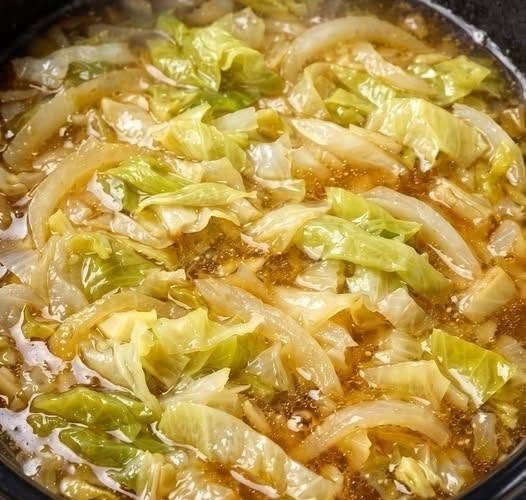
Slow Cooker Cabbage Soup is a simple vegetable soup made with fresh cabbage, potatoes, carrots, celery, onion, tomato puree, vegetable stock, and gentle herbs. The preparation is straightforward: chop the vegetables, place them in the slow cooker with the broth and seasonings, and let the slow cooker do most of the work. The long cooking time allows the vegetables to become tender while the broth develops a warm, savory flavor. Fresh dill added near the end gives the finished soup a bright herbal note that balances the richer flavors in the bowl.
Why This Easy Cabbage Soup Works So Well
There is something especially convenient about a slow cooker soup that requires very little hands-on cooking. Once the vegetables have been chopped and added to the slow cooker, there is no need for constant stirring or standing beside the stove. This makes the recipe useful for busy days when you want a homemade lunch or dinner without a complicated cooking process. The combination of cabbage, potatoes, carrots, celery, onion, tomato puree, and vegetable stock creates plenty of flavor from simple ingredients.
A Budget-Friendly Vegetable Soup
This homemade cabbage soup is also a practical choice when you want a hearty vegetable-based meal using familiar grocery-store ingredients. Cabbage, potatoes, carrots, celery, and onions are straightforward ingredients that work beautifully together in a large pot of soup. The recipe creates a generous batch, so it can be enjoyed immediately and saved for another meal. Having a prepared soup in the refrigerator can also make weekday lunches and dinners easier because reheating a portion takes much less effort than preparing an entire meal from scratch.
What Gives the Soup Its Rustic Character
The charm of this cabbage soup comes from its uncomplicated combination of vegetables and herbs. Cabbage becomes soft during slow cooking and develops a gentle sweetness, while yellow potatoes become tender and help give the broth a satisfying texture. Carrots bring mild sweetness and color, celery contributes a savory vegetable flavor, and Vidalia onion slowly softens into the broth. Fresh parsley and marjoram add another layer of herbal flavor without taking attention away from the vegetables.
Choosing Fresh Cabbage
Cabbage is the main ingredient in this soup, so it plays an important role in both texture and flavor. The recipe uses half a head of new cabbage, chopped into pieces before it goes into the slow cooker. During the long cooking process, the cabbage softens considerably and blends into the tomato and vegetable broth. Its naturally mild flavor works particularly well with potatoes, onions, carrots, herbs, and tomato puree, making it a dependable foundation for a comforting homemade vegetable soup.
Why Yellow Potatoes Are Included
Yellow potatoes add substance to this cabbage soup and become wonderfully tender as they cook. Cutting the potatoes into cubes helps them cook evenly alongside the other vegetables. The source notes that yellow potatoes hold their shape well while becoming soft, which makes them especially suitable for a long slow-cooking process. Their mild flavor also allows the tomato puree, cabbage, marjoram, and fresh dill to remain noticeable instead of being overwhelmed by a strongly flavored ingredient.
Carrots Add Natural Sweetness
Carrots are another important part of the vegetable combination. Their mild sweetness provides balance against the tanginess of tomato puree and the savory character of vegetable stock. Chopping the carrots into pieces of a similar size to the other vegetables helps them cook more evenly. As the soup simmers slowly, the carrots become tender and contribute both color and flavor to the finished broth, giving the soup a pleasant mixture of textures and a naturally colorful appearance.
Celery Builds Savory Flavor
Celery may be a supporting ingredient, but it helps round out the overall taste of the soup. Its gentle savory flavor blends naturally with onion, carrot, cabbage, and vegetable stock. Because the recipe contains several vegetables with mild flavors, celery adds another layer without making the soup taste overly complicated. Chopping two celery sticks before adding them to the slow cooker ensures that they have plenty of time to soften and release their flavor into the broth.
Vidalia Onion for Gentle Sweetness
The recipe calls for half of a large Vidalia onion. Vidalia onions are known for their naturally sweet flavor, and slow cooking allows that sweetness to become even softer and more integrated into the soup. Rather than remaining sharp or dominant, the onion gradually blends into the vegetable stock and tomato puree. This creates a mellow background flavor that supports the cabbage and other vegetables while helping the soup develop a fuller taste during cooking.
Vegetable Stock Makes a Better Broth
Using vegetable stock instead of plain water gives this cabbage soup a more developed savory flavor. Eight cups of vegetable stock form the main liquid base, allowing the flavors of the vegetables and herbs to combine as they cook. One important detail is that different vegetable stocks can contain different amounts of salt. For that reason, the source recommends waiting until the soup has finished cooking before deciding how much additional salt is needed.
Tomato Puree Adds Color and Depth
Tomato puree gives the soup its attractive color and contributes a gentle tang to the broth. It also helps make the liquid taste richer without requiring a long list of additional ingredients. Because tomatoes are naturally acidic, the source explains that adding the puree at the beginning may cause the vegetables to take slightly longer to soften. If you want the vegetables to cook a little faster, the puree can instead be added during the final hour of cooking. Both approaches are included in the original recipe.
Marjoram Complements Cabbage
Marjoram is used in a small quantity, but its mild earthy and herbal character works particularly well with cabbage and other slow-cooked vegetables. The recipe calls for half a teaspoon, which is enough to add flavor without making the soup heavily seasoned. Its gentle profile fits naturally into a rustic vegetable soup, where the goal is to let the vegetables and broth remain the main focus. Adding it together with the other ingredients allows its flavor to develop gradually during cooking.
Fresh Dill Should Be Added at the End
Fresh dill is one of the most important finishing ingredients in this recipe. Instead of cooking it for several hours, the chopped dill is stirred into the soup after the vegetables have become tender. This preserves its fresh aroma and lively herbal character. The contrast between the long-cooked vegetables and the freshly added dill makes the finished soup taste brighter and more balanced. It is a small final step, but it gives the bowl a noticeably fresher finish.
How to Prepare the Slow Cooker
Start by chopping the cabbage, potatoes, carrots, celery, and Vidalia onion into reasonably even pieces. Place all of the prepared vegetables into the slow cooker, then pour in the vegetable stock and tomato puree. Add the fresh parsley sprigs and marjoram, and give everything a gentle stir so the ingredients are distributed throughout the liquid. Once this preparation is finished, place the lid securely on the slow cooker and allow the cooking process to begin.
Slow Cooker Cooking Instructions
For the slow cooker method, the source provides two cooking settings. On High, cook the soup for about 5 hours, or until the vegetables are tender. On Low, cook it for approximately 9 hours for a slower cooking process that allows the vegetables and broth to develop their flavors gradually. Keeping the lid closed during cooking is helpful because repeatedly opening the slow cooker releases heat and can increase the amount of time needed for the vegetables to become tender.
When to Add the Tomato Puree
If your priority is getting the vegetables tender a little sooner, the tomato puree can be held back until the final hour. This approach is based on the natural acidity of tomatoes, which can slow the softening of vegetables when introduced at the beginning of a long cooking process. Alternatively, you can follow the simpler method of adding the tomato puree from the start. The recipe states that both methods work, so the choice can depend on your preferred cooking schedule.
Finishing the Homemade Cabbage Soup
Once the vegetables are soft, remove the parsley sprigs if desired. Stir the chopped fresh dill into the finished soup, then taste the broth before adding salt and black pepper. Waiting until this stage gives you better control over the seasoning because the vegetable stock may already contain salt. If you like, finish each bowl with a small sprinkle of Spanish smoked paprika and a drizzle of extra virgin olive oil for additional color, aroma, and richness.
Simple Ways to Serve Cabbage Soup
This vegetable soup can be served on its own or paired with a simple side. Warm crusty bread, homemade dinner rolls, garlic toast, buttered sourdough slices, and a fresh green salad are all listed as serving ideas in the source. Bread is particularly useful alongside a broth-based soup because it can be dipped into the flavorful liquid. The optional smoked paprika and olive oil also provide an easy way to add a little extra character to each individual bowl.
Making the Soup More Substantial
The original vegetable soup can also serve as a base for several optional additions. Cooked lentils, chickpeas, or beans can be stirred in before serving when you want to add another hearty element. Cooked rice or small pasta can also make the soup more substantial. These additions are optional and are not part of the original ingredient list, so the recipe remains a satisfying vegetable soup even when prepared exactly as written.
Optional Polish Sausage Variation
For cooks who want a different version, the source suggests adding browned sliced Polish sausage after cooking. The sausage introduces a smoky savory element that pairs naturally with cabbage. Because it is an optional variation rather than part of the original recipe, the basic vegetable soup should be prepared first according to the recipe instructions. This allows the original cabbage, potato, tomato, and herb flavors to remain clear while giving you the option of creating a heartier variation when desired.
Stovetop Cabbage Soup Method
A slow cooker is convenient, but the source also provides a stovetop alternative. Place the chopped vegetables, vegetable stock, parsley, and marjoram into a large soup pot and cover. Simmer for approximately 45 minutes, or until the vegetables become tender. Stir in the tomato puree and continue cooking for another 15 minutes. Finish with fresh dill, salt, and pepper, then serve with smoked paprika and olive oil if desired. This method provides a quicker alternative when a slow cooker is not available.
How to Store Leftover Cabbage Soup
This recipe is well suited to meal preparation because the finished soup can be refrigerated and reheated later. Allow the soup to cool completely before transferring it to airtight containers. The source recommends storing it in the refrigerator for up to 4 days. When you are ready to eat it, reheat the soup gently on the stovetop over medium heat or warm individual servings in the microwave until thoroughly heated.
Freezing Slow Cooker Cabbage Soup
The source also states that this cabbage soup freezes well. After the soup has cooled completely, divide it into freezer-safe containers or freezer bags and freeze for up to 2 months. For the best convenience, individual portions can be frozen separately so that you only need to thaw the amount required for a particular meal. Thaw frozen soup overnight in the refrigerator before reheating, or use the microwave to defrost portions when you need a faster option.
Notes for the Best Results
A few small details can make the cooking process easier. Cut the vegetables into similar-sized pieces so they cook at a more even rate. Avoid lifting the slow cooker lid unnecessarily because heat escapes each time it is opened. Season the soup near the end rather than adding a large amount of salt at the beginning. Most importantly, stir in the fresh dill only after cooking so its fresh flavor remains noticeable. These simple steps help maintain the intended texture and flavor of the recipe.
Common Questions About This Cabbage Soup
This soup can be prepared ahead of time, and the source notes that its flavors can become even better after resting overnight in the refrigerator. The vegetables can also be chopped the night before and stored in airtight containers, allowing you to place everything into the slow cooker the next morning. The source describes the recipe as naturally vegan and gluten-free because its main ingredients are vegetables, herbs, tomato puree, and vegetable stock.
A Practical Meal Prep Soup for Busy Days
One of the biggest strengths of this slow cooker cabbage soup is how well it fits into a meal-preparation routine. A large batch can provide several servings, and the leftovers can be refrigerated or frozen for later use. Instead of cooking from scratch every day, you can prepare the soup once and portion it into containers. This makes it useful for lunches, simple dinners, or days when you want something warm and homemade without spending a long time in the kitchen.
Recipe Description
This Slow Cooker Cabbage Soup is a comforting homemade vegetable soup prepared with tender cabbage, potatoes, carrots, celery, onion, tomato puree, vegetable stock, and simple herbs. The slow cooker develops the flavors gradually while fresh dill added at the end gives the broth a fresh finish. It is an easy recipe for lunch, dinner, meal preparation, or a cozy family meal.
Slow Cooker Cabbage Soup
Description
A comforting and easy slow cooker cabbage soup made with cabbage, potatoes, carrots, celery, Vidalia onion, tomato puree, vegetable stock, parsley, and marjoram. Fresh dill is added at the end for a bright herbal finish. The recipe is suitable for meal preparation and can be stored in the refrigerator or freezer.
Preparation & Cooking Duration
Preparation Time: 15 minutes
Cooking Time: About 5 hours on High or 9 hours on Low
Total Time: Approximately 5 hours 15 minutes on High or 9 hours 15 minutes on Low
Serving
Servings: 4
Ingredients
Vegetables
- ½ head new cabbage, chopped
- 4 medium yellow potatoes, cut into cubes
- 2 medium carrots, chopped
- 2 celery sticks, chopped
- ½ large Vidalia onion, chopped
- 4 sprigs fresh parsley
Broth
- 8 cups vegetable stock
- 1 can (15 oz) tomato puree
Seasonings
- ½ teaspoon marjoram
- Salt and pepper, to taste
For Serving
- ½ cup fresh dill, chopped
- Spanish smoked paprika (optional)
- 3 tablespoons extra virgin olive oil (optional)
Step-by-Step Instructions
1. Prepare the Vegetables
Chop the cabbage, potatoes, carrots, celery, and Vidalia onion into reasonably even pieces so they cook at a similar rate.
2. Add Everything to the Slow Cooker
Place the chopped cabbage, potatoes, carrots, celery, and onion into the slow cooker. Pour in the vegetable stock and tomato puree.
3. Add the Herbs
Add the fresh parsley sprigs and marjoram. Give the ingredients a gentle stir so everything is evenly distributed throughout the broth.
4. Slow Cook
Cover the slow cooker with the lid. Cook on High for about 5 hours or on Low for approximately 9 hours, until the vegetables are tender.
5. Finish the Soup
Remove the parsley sprigs if desired. Stir the freshly chopped dill into the soup after cooking.
6. Season
Taste the broth and add salt and black pepper according to preference.
7. Garnish and Serve
Ladle the hot soup into bowls. Add Spanish smoked paprika and a drizzle of extra virgin olive oil if desired. Serve warm with crusty bread.
Notes
- For slightly faster vegetable softening, the tomato puree can be added during the final hour instead of at the beginning.
- Keep the slow cooker covered as much as possible during cooking.
- Add salt toward the end because vegetable stock may already contain seasoning.
- Fresh dill should be added after cooking to preserve its fresh flavor.
- Refrigerate leftovers in an airtight container for up to 4 days.
- Cooled soup can be frozen in freezer-safe containers or bags for up to 2 months.
- The source also provides a stovetop method: simmer the vegetables, vegetable stock, parsley, and marjoram for about 45 minutes, then add the tomato puree and cook for another 15 minutes before finishing with dill and seasoning.
Nutritional Information
Per Serving:
- Calories: 158 kcal
- Fat: 5 g
- Sodium: 988 mg
- Potassium: 750 mg
- Carbohydrates: 25 g
- Fiber: 5 g
- Sugar: 6 g
- Protein: 4 g
- Vitamin A: 3525 mcg
- Vitamin C: 40 mg
- Iron: 4.4 mg
Nutrition information is reproduced from the supplied recipe source.


