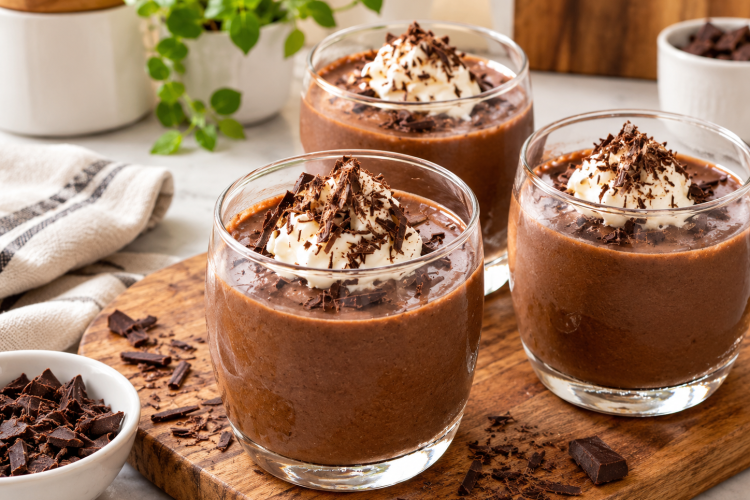
Classic French Chocolate Mousse is a rich, silky dessert made with dark chocolate, eggs, cream, butter, and sugar. Unlike versions that depend almost entirely on whipped cream, this traditional chocolate mousse uses both whipped cream and beaten egg whites to create a texture that is light, airy, and deeply chocolatey. The result is an elegant dessert that feels luxurious without being excessively sweet or heavy.
This easy chocolate mousse is an excellent choice when you want a dessert that can be prepared ahead of time. Once the mousse has been portioned into small glasses or serving pots, it needs several hours in the refrigerator to develop its ideal texture.
That makes it particularly convenient for dinner parties, celebrations, romantic meals, or weekend desserts because the main preparation can be completed well before serving.
Why This Chocolate Mousse Works So Well
A good chocolate mousse should have several qualities at the same time. It should taste strongly of chocolate without becoming bitter, have enough sweetness to balance the cocoa, and feel smooth rather than greasy. Most importantly, the mousse should hold its shape while remaining soft and airy when you take the first spoonful. This recipe achieves that balance through the combination of melted chocolate, egg yolks, whipped cream, and carefully beaten egg whites.
The chocolate provides the structure and main flavour, while the butter contributes richness and a smooth mouthfeel. Egg yolks add creaminess and help create a fuller chocolate flavour. Whipped cream gives the dessert softness, while the beaten egg whites introduce air and create the characteristic light texture associated with classic mousse. The sugar is incorporated into the egg whites, providing sweetness while helping them develop a stable, firm foam.
Choosing the Right Chocolate
The chocolate you use has a major effect on the final flavour and consistency of homemade chocolate mousse. A good-quality chocolate containing around 70% cocoa provides a deep chocolate taste without making the dessert overwhelmingly bitter. It also contains enough cocoa solids to help the mousse set properly after refrigeration.
For the best results, choose chocolate specifically intended for cooking or baking. Baking chocolate is formulated to melt smoothly, which is important when you are combining it with butter and then folding it into the cream and egg mixture. Some eating chocolates are designed to remain firm and resist melting, which can make them more difficult to incorporate into a smooth mousse.
A good 70% dark chocolate is an especially useful option because it gives the finished dessert an intense chocolate character while still leaving room for the sugar and dairy ingredients to create a balanced taste. If bittersweet chocolate is used, the exact cocoa percentage can vary considerably, so the sweetness and intensity of the finished mousse may differ slightly.
Milk chocolate can also be used, although it will create a noticeably different dessert. Because milk chocolate contains less cocoa and more sugar and dairy ingredients, the mousse will generally taste sweeter and have a softer chocolate flavour. The structure can also be slightly softer than when using 70% dark chocolate.
The Role of Each Ingredient
Although this recipe uses only a handful of ingredients, each one has an important purpose. The chocolate is the foundation of the dessert, providing both flavour and structure. Butter is added to the melted chocolate to increase richness and help produce a smooth texture. Using unsalted butter allows the chocolate flavour to remain the focus of the dessert.
The eggs are divided into yolks and whites because they perform different jobs. The yolks are combined with whipped cream and melted chocolate to form the rich base of the mousse. The whites are beaten with sugar until firm peaks form, creating tiny air bubbles that make the finished dessert light rather than dense.
Full-fat cream is essential for achieving a creamy and luxurious texture. It should be whipped until stiff peaks form, but it is important not to continue beating it excessively. Over-whipped cream can become grainy and eventually start separating, which can affect the smoothness of the mousse.
How to Make French Chocolate Mousse
The preparation begins by separating the eggs while they are still cold. Keeping the whites and yolks separate is important because the whites will later be whipped into a firm foam. Place the whites in a large, clean bowl and the yolks in a smaller bowl. Whisk the yolks until they become smooth and uniform, then set them aside while preparing the chocolate and cream.
Next, combine the chopped chocolate and unsalted butter in a microwave-safe bowl. Heat the mixture in short intervals, stirring after each interval. Short bursts of heat are much safer than heating the chocolate continuously because chocolate can burn surprisingly quickly. Continue until the mixture becomes completely smooth and glossy, then allow it to cool slightly.
The chocolate should not be extremely hot when it is combined with the other ingredients. It needs to remain fluid enough to mix easily, but it should be close to room temperature. Chocolate that is too hot can negatively affect the texture of the cream and egg mixture, while chocolate that has become too thick will be difficult to fold evenly.
While the chocolate cools, whip the full-fat cream until stiff peaks form. Stop as soon as the cream reaches the correct consistency. The goal is a stable whipped cream that can hold its shape while still looking smooth and creamy. Keeping the preparation moving steadily helps prevent the cream and egg mixtures from becoming too warm.
Beating the Egg Whites Correctly
The egg whites are one of the most important parts of this chocolate mousse. Add the caster sugar to the egg whites and beat until firm peaks develop. When the whisk is lifted, the mixture should maintain its shape rather than immediately collapsing. The texture should be firm but still smooth and suitable for folding.
Clean whisks are important because even a small amount of fat can interfere with egg whites becoming properly aerated. Use a clean, dry bowl and clean beaters for the best results. The finished egg whites should look glossy and hold a firm peak without becoming dry or crumbly.
Folding Without Losing the Air
Folding is where the texture of the mousse is created or lost. The whipped ingredients contain thousands of tiny air bubbles, and aggressive stirring can collapse them. Instead, use a rubber spatula and gently fold the ingredients together.
Start by folding the egg yolks into the whipped cream. A few visible streaks are acceptable at this stage. Then check the temperature and consistency of the melted chocolate before incorporating it. The chocolate should be fluid enough to pour and fold easily.
Add the melted chocolate to the cream and yolk mixture and fold gently until mostly combined. Again, there is no need to overwork the mixture. The objective is to combine the ingredients while preserving as much air as possible.
The beaten egg whites are added in stages. First, fold about one-quarter of the whites into the chocolate mixture. This lightens the chocolate base and makes it easier to incorporate the remaining whites. Once that first portion is blended, add the chocolate mixture to the remaining egg whites and fold gently until there are no obvious white patches.
Chilling the Mousse
Once the mousse is fully mixed, divide it between four small glasses or serving pots. Refrigerate for at least six hours, although leaving the mousse overnight is preferable when your schedule allows. The extended chilling time gives the chocolate and dairy mixture enough time to firm up and develop the characteristic mousse consistency.
Do not rush this stage. Immediately after mixing, the mousse will be softer than the finished dessert. Refrigeration allows the chocolate to set and the structure to stabilize. Preparing the mousse the day before serving is therefore an excellent option for entertaining.
Serving Suggestions
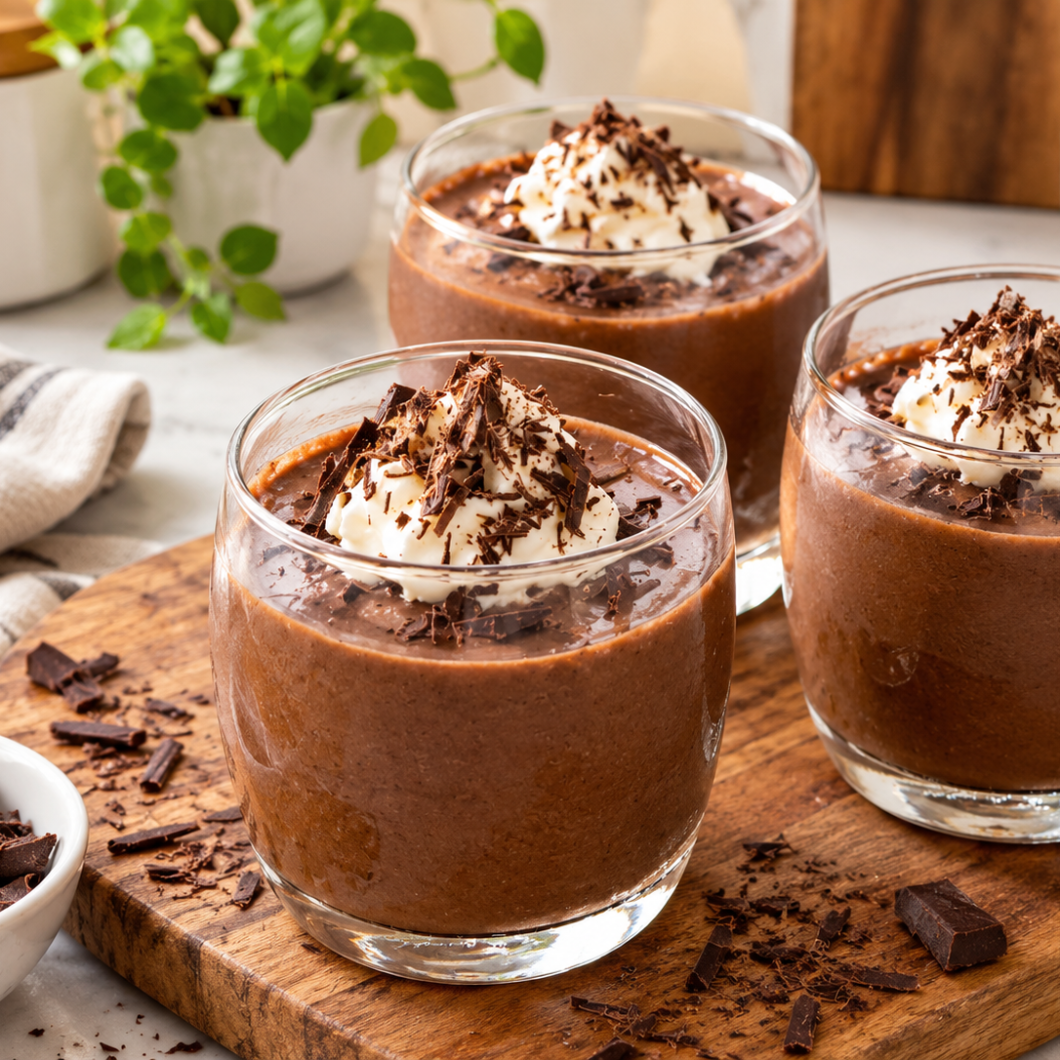
Classic chocolate mousse can be served simply with a spoonful of whipped cream and a scattering of chocolate shavings. These small finishing touches add visual appeal without overpowering the chocolate flavour. For a fresh contrast, raspberries can be placed alongside or on top of the mousse.
A tiny sprig of fresh mint can also provide an attractive finishing touch. The combination of dark chocolate, bright berries, and fresh mint creates a dessert that looks sophisticated while requiring very little additional preparation.
For dinner parties, serve the mousse in individual glasses rather than one large bowl. Individual portions make the dessert easier to serve and create an elegant presentation. Small glasses also make the rich dessert feel perfectly portioned.
Notes for the Best Results
For consistently smooth chocolate mousse, pay close attention to the temperature of the melted chocolate. It should be cool enough not to damage the whipped ingredients but warm enough to remain completely fluid. If it becomes too thick while waiting, gently warm it again in very short intervals until it becomes pourable.
Do not over-whip the cream or egg whites. Both should be firm enough to provide structure but still have a smooth texture. Overworked ingredients can make the mousse heavier or less silky than intended.
Folding should always be gentle. Rather than stirring in circles, use the spatula to cut down through the mixture, sweep underneath, and lift the ingredients over themselves. This technique helps preserve the air that gives mousse its light texture.
The choice of chocolate is also important. A 70% cocoa dark chocolate gives the most balanced result with this recipe, offering a pronounced chocolate taste without excessive sweetness. If you substitute another chocolate, remember that its cocoa percentage, sugar content, and melting properties may change the final result.
Frequently Asked Questions
Can I make chocolate mousse ahead of time?
Yes. This dessert is particularly suitable for advance preparation because it needs several hours in the refrigerator to set. You can prepare the mousse, divide it into serving glasses, cover the portions, and refrigerate them until needed. Preparing it the night before serving is especially convenient for parties and family meals.
How long does chocolate mousse need to chill?
The mousse should be refrigerated for at least six hours for the best texture. Overnight chilling is even better when possible because it gives the mousse plenty of time to become firm and allows the flavours to settle. Keep the portions refrigerated until you are ready to serve them.
Can I use milk chocolate?
Yes, milk chocolate can be used, but the finished mousse will be sweeter and have a milder chocolate flavour. It will also generally have a softer consistency because milk chocolate contains less cocoa than dark chocolate. For a rich and intense classic chocolate mousse, 70% cocoa chocolate is the preferred choice.
Why did my chocolate mousse become grainy?
Graininess can result from chocolate that has not melted smoothly, chocolate that has overheated, or cream that has been over-whipped. It is also possible for the chocolate to cool and thicken too much before being folded into the cream. Using suitable baking chocolate and melting it gradually helps reduce these problems.
Can I add toppings?
Absolutely. Whipped cream and chocolate shavings are simple choices that complement the mousse. Fresh raspberries and a small amount of mint can also add colour and freshness. Keep toppings relatively light so they do not overwhelm the rich chocolate base.
Tasty Chocolate Mousse Recipe
 Recipe by admin1
A rich and silky French-style chocolate mousse made with 70% cocoa chocolate, eggs, cream, butter, and caster sugar.
4
servings20
minutes375
kcal20
minutesIngredients
- Chocolate Mousse
3 eggs (~55g/2 oz each)
125g / 4.5 oz 70% cocoa chocolate or bittersweet chocolate, break or cut into small 1 cm / 0.2″ pieces
10g / 0.3 oz unsalted butter
1/2 cup cream, full fat
3 tbsp caster sugar (superfine white sugar)
- Decorations
More whipped cream
Chocolate shavings
Directions
- Separate the eggs while they are cold. Place the egg whites in a large bowl and the yolks in a smaller bowl. Whisk the yolks until smooth and uniform.
- Place the chopped chocolate and butter in a microwave-safe bowl. Microwave in 20-second intervals, stirring between each interval, until completely smooth. Allow the melted chocolate to cool slightly while keeping it fluid.
- Beat the full-fat cream until stiff peaks form. Take care not to over-whip the cream, as it should remain smooth and creamy.
- Clean the beaters thoroughly. Add the caster sugar to the egg whites and beat until firm peaks form. The beaten whites should hold their shape while remaining smooth.
- Using a rubber spatula, gently fold the egg yolks into the whipped cream. Avoid excessive mixing; a few streaks are acceptable at this stage.
- Check that the melted chocolate has cooled to approximately room temperature while remaining runny. If it has become too thick, warm it briefly in 5-second intervals. Pour it into the cream and yolk mixture and gently fold.
- Add approximately one-quarter of the beaten egg whites to the chocolate mixture and gently fold until incorporated. This lightens the mixture.
- Pour the chocolate mixture into the remaining beaten egg whites. Fold gently until combined and no obvious white patches remain. Avoid unnecessary stirring so the mousse retains its airy texture.
- Divide the mousse between 4 small glasses or serving pots. Refrigerate for at least 6 hours, preferably overnight.
- Before serving, top with whipped cream and chocolate shavings. Fresh raspberries and a small sprig of mint can also be added for colour and freshness.
Nutrition Facts
- Total number of serves: 1
- Calories: 327kcal
- Fat: 26g
- Carbohydrates: 27g
- Fiber: 1g
- Sugar: 19g
- Protein: 7g


