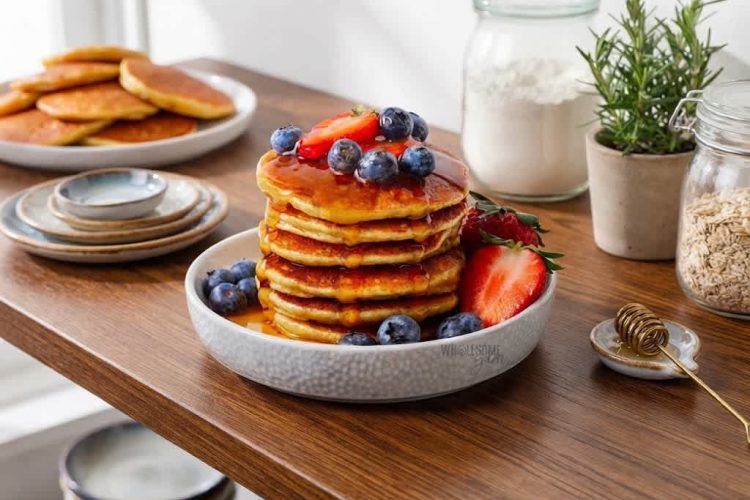
Finding a genuinely fluffy keto pancake can be difficult when traditional pancake recipes depend heavily on wheat flour, sugar, and other high-carb ingredients. These homemade keto pancakes solve that problem with a simple combination of almond flour and coconut flour. The result is a stack of soft, tender, lightly golden pancakes with only 3g net carbs per serving.
They are quick enough for a weekday breakfast but satisfying enough for a relaxed weekend brunch. If you want an easy low carb pancake recipe that feels much closer to classic pancakes, this recipe is worth adding to your breakfast rotation.
Why These Keto Pancakes Work So Well
The secret to the texture is the combination of two low carb flours rather than relying on only one. Almond flour provides richness and a naturally soft texture, while coconut flour helps absorb moisture and gives the batter enough structure to cook properly. Used together, they create pancakes that are light without becoming fragile. The balance also helps avoid the dense or overly eggy texture that can sometimes happen with homemade keto pancakes. This combination makes these pancakes especially useful when you want something that looks and feels more like traditional breakfast pancakes.
Another advantage is how quickly the batter comes together. Everything is mixed in one large bowl, so there is no complicated preparation or long list of separate steps. The batter should resemble ordinary pancake batter, although it may thicken slightly as the coconut flour absorbs liquid. If it becomes too thick, a small amount of additional milk can be added. It is important to add liquid gradually because too much can make low carb pancakes overly soft or wet when cooked. A little attention to batter consistency makes a noticeable difference in the finished texture.
A Fluffy Low Carb Breakfast
Texture is one of the biggest challenges when adapting pancakes for a keto lifestyle. Regular flour contains gluten, which helps create structure and elasticity in conventional pancake batter. Almond flour and coconut flour behave differently, so the cooking method matters just as much as the ingredients. Covering the skillet while the first side cooks helps the pancakes set and encourages an even, fluffy texture. Once bubbles begin appearing around the edges, the pancakes are ready to turn. Cooking the second side without the lid allows the surface to brown nicely.
These pancakes are also versatile enough to fit different breakfast preferences. They can be served simply with a keto-friendly topping or paired with other breakfast foods for a more filling meal. Their mild flavor allows the vanilla and sweetener to provide a subtle sweetness without overwhelming the natural taste of the almond flour. The recipe is especially convenient for anyone looking for a low carb breakfast that does not require unusual preparation techniques or specialist cooking equipment.
What Makes This Recipe Keto Friendly?
Traditional pancakes can contain a significant amount of carbohydrates because their main ingredient is usually refined wheat flour, often combined with sugar or sweetened toppings. This recipe takes a different approach by using almond flour and coconut flour. Both are commonly used in low carb cooking, and the finished recipe provides only 3g net carbs per serving according to the supplied nutrition information. That makes these pancakes a practical choice for people following a ketogenic or low carbohydrate eating pattern.
The recipe also uses monk fruit allulose blend instead of conventional granulated sugar. This helps provide sweetness while keeping the carbohydrate profile much lower than a standard pancake recipe. Eggs add protein and help give the pancakes structure, while avocado oil contributes fat and helps create a tender texture. Unsweetened almond milk provides the liquid needed to bring the batter together without adding the sweetness or carbohydrate load associated with many flavored or sweetened milks.
How to Make Keto Pancakes
Prepare the Pancake Batter
Start by placing all of the ingredients into a large mixing bowl. Whisk everything together until the mixture becomes smooth and evenly combined. The batter should have a consistency similar to ordinary pancake batter. Because coconut flour absorbs liquid efficiently, the mixture may become thicker as it sits. If necessary, add a small amount of additional milk until the desired consistency is reached. Avoid adding too much at once because overly thin batter can produce pancakes that are difficult to handle and may remain too moist after cooking.
A smooth batter is important because it helps the pancakes cook evenly. Make sure the almond flour and coconut flour are well incorporated, with no obvious dry pockets remaining in the bowl. The eggs should also be fully blended into the mixture. Taking a little extra time during this step can help produce pancakes with a consistent texture from the first one to the last. Since the recipe uses only one bowl, preparation is straightforward and cleanup afterward is minimal.
Heat the Skillet Properly
Place a large non-stick skillet over medium-low to medium heat and lightly oil it. Allow the pan to become properly heated before adding the batter. The temperature should be warm enough to cook and brown the pancakes gradually without scorching their exterior. Keto pancake batter can behave differently from traditional wheat-based batter, so using moderate heat is generally more reliable than turning the burner too high. A pan that is too hot may brown the outside before the center has had enough time to cook.
Once the skillet is ready, spoon portions of batter onto the surface and gently shape them into circles. Try to keep the pancakes reasonably similar in size so they finish cooking at approximately the same time. There is no need to spread the batter excessively thin. Allow the pancakes to naturally form their shape as they cook, keeping enough thickness to create the soft texture that makes this recipe appealing.
Cook the Pancakes with the Lid On
One of the most important steps in this recipe is covering the skillet with a lid during the first side of cooking. Cook the pancakes for approximately 1½ to 2 minutes, watching for bubbles to begin forming around the edges. This covered cooking environment helps the batter set and contributes to the fluffy texture. It also gives the heat time to move through the thicker center without requiring a high cooking temperature.
When the edges look set and bubbles begin appearing, carefully flip each pancake. Cook the second side uncovered for another 1½ to 2 minutes, or until it becomes lightly browned. Use a thin turner or spatula to make flipping easier and reduce the chance of breaking the pancakes. Repeat the process with the remaining batter, lightly oiling the skillet again if needed. Keeping the heat consistent throughout the batch helps ensure an even color and texture.
Tips for Better Keto Pancakes
Use the Right Flour Texture
Finely ground almond flour works particularly well for this recipe because it produces a smoother batter and more delicate pancake texture. Coarser almond meal can create a heavier or slightly grainy result. Coconut flour is also highly absorbent, so measuring it carefully is important. Even a relatively small change in the amount can affect the thickness of the batter. For the most consistent results, follow the ingredient measurements closely rather than estimating the flour quantities.
Do Not Overdo the Milk
The batter should be thick enough to hold its shape in the skillet while still being easy to pour or spoon. If your mixture seems unusually thick, add a little more milk and mix again. It is better to add small amounts gradually than to add a large quantity at once. Too much liquid can create pancakes that are difficult to flip and may have a wetter center. The goal is a balanced batter that spreads naturally without becoming runny.
Keep the Heat Moderate
High heat is not necessary for fluffy low carb pancakes. Medium-low to medium heat gives the batter enough time to cook through while allowing the exterior to develop an attractive golden-brown finish. If the pancakes become dark very quickly, reduce the heat. If they remain pale and take considerably longer to cook, increase the heat slightly. Every stovetop and skillet behaves differently, so small adjustments may be necessary during the first batch.
Serving Ideas for Low Carb Pancakes
These keto pancakes are delicious on their own, but toppings can turn them into a more exciting breakfast. Serve a warm stack with your preferred keto-friendly pancake toppings, or enjoy them alongside eggs for a more substantial morning meal. Because the pancakes have a mild flavor, they work well with both simple and more elaborate toppings. The natural nuttiness from almond flour also pairs nicely with breakfast flavors such as vanilla and other low carbohydrate ingredients.
For a simple presentation, stack several pancakes on a plate and serve them while warm. If you are preparing breakfast for several people, you can cook the pancakes in batches and keep the finished ones warm while completing the remaining batter. Avoid overcrowding the skillet because this can make flipping more difficult and may reduce the even browning you want on each pancake.
When to Enjoy These Keto Pancakes
Although pancakes are traditionally considered a breakfast food, there is no reason to limit this recipe to the morning. The quick preparation makes these low carb pancakes suitable for a late breakfast, brunch, or even a simple breakfast-for-dinner meal. With only about 20 minutes required for preparation and cooking, they are particularly useful on days when you want something homemade without spending a long time in the kitchen.
They can also be useful when you are tired of repeating the same egg-based keto breakfasts. Eggs remain part of the recipe, but the finished dish has a completely different character from scrambled eggs or an omelet. The soft, pancake-like texture provides variety while the almond and coconut flour combination keeps the recipe aligned with a low carb approach.
Frequently Asked Questions
Are these pancakes suitable for a keto diet?
These pancakes are designed as a low carb breakfast option and contain 3g net carbs per serving according to the provided nutrition information. The recipe uses almond flour, coconut flour, and a monk fruit allulose blend instead of traditional wheat flour and sugar. As individual dietary requirements and carbohydrate targets vary, always consider the complete meal and your own nutritional goals when planning a keto diet.
Can I make the batter thinner?
Yes, if the batter is thicker than expected, a small amount of additional milk can be mixed in. Add it gradually rather than pouring in a large amount at once. The ideal consistency should resemble regular pancake batter. If the mixture becomes too thin, the pancakes may spread excessively in the skillet and can become difficult to flip or remain too moist in the center.
Why are my keto pancakes not fluffy?
Several factors can affect pancake texture, including batter consistency, flour texture, cooking temperature, and whether the skillet is covered. Using finely ground almond flour, measuring the coconut flour accurately, and cooking the first side with a lid can help. Keeping the heat moderate also gives the pancakes enough time to cook through without becoming overly browned on the outside.
Can these pancakes be prepared for a busy morning?
Yes. The batter requires only a few minutes to prepare, and the total recipe time is approximately 20 minutes. Since everything is mixed in one bowl, preparation and cleanup are both simple. For a busy breakfast, organize your ingredients before heating the skillet so the batter can be mixed quickly and the cooking process can begin immediately.
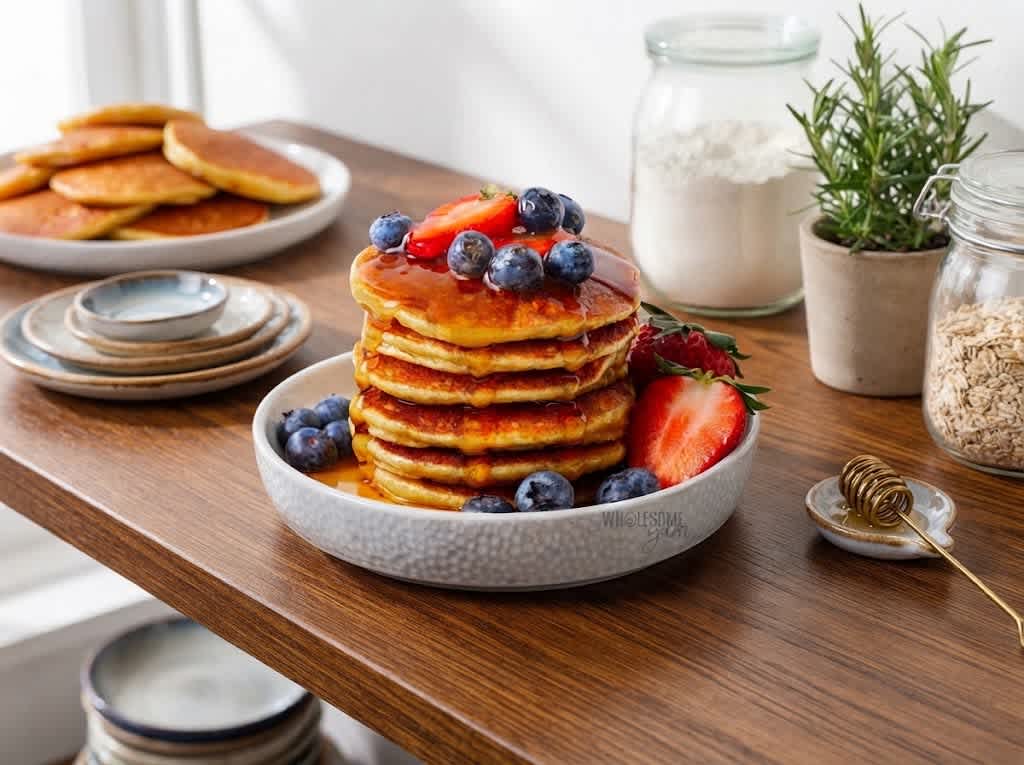
Keto Soft, Fluffy, Low-Carb Pancakes
 Recipe by admin1
These fluffy keto pancakes are an easy low carb breakfast made with almond flour and coconut flour. They are soft, lightly sweet, quick to prepare, and contain just 3g net carbs per serving according to the provided nutrition information.
6
servings5
minutes15
minutes268
kcal20
minutesIngredients
1 cup Wholesome Yum Blanched Almond Flour (blanched & finely ground recommended)
1/4 cup Wholesome Yum Coconut Flour
2 tbsp Besti Monk Fruit Allulose Blend
1 tsp Baking powder
5 large Eggs
1/3 cup Unsweetened almond milk (or any milk of choice; may need more – see instructions)
1/4 cup Avocado oil (or any neutral tasting oil that is liquid at room temperature)
1 1/2 tsp Vanilla extract (optional, but recommended)
1/4 tsp Sea salt (optional, but recommended)
Directions
- Add all of the ingredients to a large bowl. Whisk thoroughly until the mixture is smooth and evenly combined.
- The mixture should have the consistency of typical pancake batter. If it seems too thick, gradually add a small amount of additional milk. Avoid adding too much because an overly wet batter can make the finished pancakes difficult to cook properly.
- Lightly oil a large non-stick skillet and preheat it over medium-low to medium heat.
- Spoon the batter onto the hot skillet, forming the pancakes into circles. Leave enough space between them to make flipping easy.
- Cover the skillet with a lid and cook for approximately 1½ to 2 minutes, or until bubbles begin forming around the edges and the first side looks set.
- Carefully turn the pancakes and cook them uncovered for another 1½ to 2 minutes, until the second side is browned and the pancakes are cooked through.
- Continue cooking the remaining batter, lightly oiling the skillet as needed.
Nutrition Facts
- Total number of serves: 1
- Calories: 268kcal
- Fat: 23g
- Carbohydrates: 6g
- Fiber: 3g
- Sugar: 1g
- Protein: 9g


