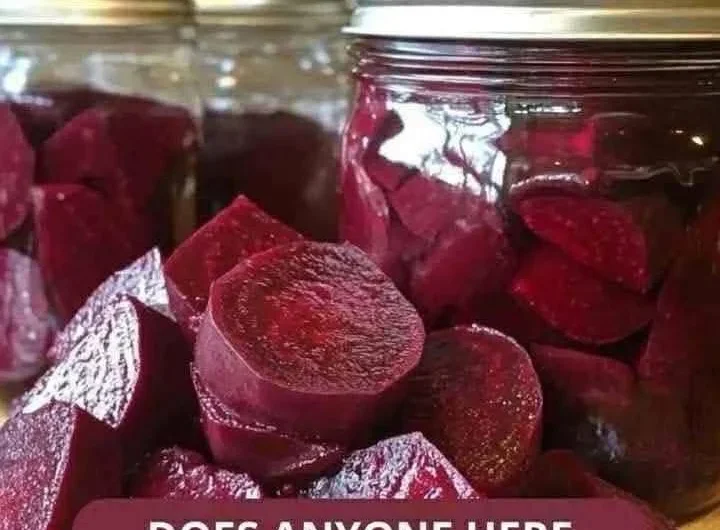
Pickled beets are preserved beetroot stored in an acidic solution (usually vinegar-based brine). The acidity prevents harmful bacterial growth while enhancing flavor and extending shelf life. The process combines cooking, acidification, and .
Beets themselves are naturally sweet due to their high sugar content. When combined with vinegar, the result is a balance of:
- Sweetness
- Acidity
- Earthy undertones
- Aromatic spice notes (if added)
2. Types of Beets You Can Use
Common Varieties
- Red Beets: Most commonly used; deep red-purple color, classic flavor
- Golden Beets: Milder and less earthy; produce a golden brine
- Chioggia Beets: Red-and-white striped interior; visually appealing but color fades when pickled
Size Considerations
- Small beets: sweeter, more tender
- Medium beets: best balance of flavor and texture
- Large beets: slightly fibrous, require longer cooking
3. Ingredient Breakdown (With Purpose)
Core Ingredients
- Beets: Main vegetable, provides texture and sweetness
- Vinegar (5% acidity): Preservation and tanginess
- Water: Dilutes acidity for balance
- Sugar: Counteracts acidity, enhances natural beet sweetness
- Salt: Flavor enhancer and mild preservative
Optional Flavor Agents and Their Roles
- Cloves: Strong, warm spice flavor
- Cinnamon: Sweet aromatic depth
- Peppercorns: Mild heat and complexity
- Mustard seeds: Slight bitterness and crunch
- Garlic: Savory depth
- Onion: Adds sweetness and sharpness
- Bay leaf: Subtle herbal note
4. Equipment in Detail
Essential Tools
- Large pot: For boiling beets
- Saucepan: For preparing brine
- Sharp knife: Clean cuts prevent texture damage
- Cutting board: Preferably non-porous
Jar Preparation Tools
- Glass jars (heat-resistant)
- Lids with sealing rings
- Tongs (for handling hot jars)
- Funnel (optional, but prevents spills)
Optional Advanced Tools
- Jar lifter
- Bubble remover tool
- Kitchen thermometer
5. Preparation Timeline Overview
- Cleaning: 10–15 minutes
- Cooking beets: 30–60 minutes
- Cooling and peeling: 15–20 minutes
- Slicing: 10–15 minutes
- Brine preparation: 10 minutes
- Jar packing: 15 minutes
- Optional canning: 15 minutes
Total time: approximately 2 to 2.5 hours
6. Step-by-Step Process (Highly Detailed)
Step 1: Washing and Trimming
- Rinse beets under running water
- Remove dirt thoroughly
- Trim leaves, leaving about 2–3 cm stem
- Do not cut root completely to reduce color bleeding
Step 2: Cooking the Beets Properly
Place beets in a pot and cover with water.
Important notes:
- Do not overcrowd pot
- Maintain even heat
Bring to boil, then reduce to simmer.
Cooking times:
- Small: 25 minutes
- Medium: 40 minutes
- Large: 60 minutes
Test doneness:
Insert knife or fork. It should slide in easily without resistance.
Step 3: Cooling Process
Drain hot water immediately.
Transfer beets into:
- Ice bath (preferred), or
- Cold running water
Purpose:
- Stops cooking
- Preserves texture
- Makes peeling easier
Step 4: Peeling Technique
Rub skins gently:
- Use fingers or cloth
- Skins should slip off easily
Avoid using a knife unless necessary to preserve beet flesh.
Step 5: Cutting Styles and Their Impact
- Thin slices: absorb flavor faster
- Thick slices: retain firmness longer
- Cubes: good for salads
- Whole small beets: best for presentation
Uniformity is important for even pickling.
Step 6: Brine Preparation Science
Basic ratio:
- 2 parts vinegar
- 1 part water
- 1 part sugar (adjustable)
- Sugar dissolves completely
- Mixture is hot but not violently boiling
Add spices early to infuse flavor.
Step 7: Sterilizing Jars (Critical for Safety)
Methods:
Boiling method:
- Submerge jars in boiling water for 10 minutes
Oven method:
- Heat at low temperature (around 120°C) for 15 minutes
Always:
- Keep jars warm before filling
- Avoid temperature shock
Step 8: Packing Strategy
Layer beets carefully.
Optional layering:
- Beet slices
- Onion slices
- Garlic pieces
Leave headspace:
- About 1 cm at top
Do not crush or press beets too tightly.
Step 9: Pouring Brine
- Brine must be hot
- Cover all beets completely
Remove air bubbles:
- Use clean utensil
- Tap jar gently
Seal immediately.
Step 10: Processing for Shelf Stability
For long-term storage:
Water bath canning:
- Submerge jars in boiling water
- Process for 10–15 minutes
Remove and let cool undisturbed.
Check seals:
- Lid should not flex when pressed
7. Storage Conditions
Refrigeration
- Lasts 1–2 months
- Flavor improves over time
Pantry Storage (Canned)
- Up to 1 year
- Keep in cool, dark place
After opening:
- Always refrigerate
8. Flavor Development Over Time
Timeline:
- Day 1: Mild flavor
- Day 3: Balanced taste
- Week 1: Full flavor develops
- Week 2+: Deep, rich taste
9. Advanced Flavor Variations
Sweet and Spiced
- Add extra sugar
- Include cinnamon and cloves
Tangy and Sharp
- Increase vinegar ratio
- Reduce sugar
Spicy Version
- Add chili flakes or fresh chilies
Garlic-Forward
- Increase garlic quantity
Herbal Infusion
- Dill
- Thyme
- Rosemary
10. Nutritional Benefits
Beets are rich in:
- Fiber
- Folate
- Vitamin C
- Potassium
They are also known for:
- Supporting heart health
- Improving blood circulation
- Providing antioxidants
11. Common Problems and Detailed Solutions
Problem: Beets Too Mushy
Cause: Overcooking
Solution: Reduce cooking time
Problem: Too Sour
Cause: Excess vinegar
Solution: Add more sugar or dilute with water
Problem: Too Sweet
Cause: Excess sugar
Solution: Increase vinegar next batch
Problem: Cloudy Brine
Cause:
- Impure water
- Iodized salt
- Contamination
Solution:
- Use filtered water
- Use pickling salt
12. Safety Considerations
- Always use vinegar with at least 5% acidity
- Maintain cleanliness
- Avoid damaged jars
- Discard if:
- Bad smell
- Mold appears
- Lid bulges
13. Serving Ideas (Expanded)
Pickled beets pair well with:
- Grilled meats
- Rice dishes
- Fresh salads
- Yogurt-based sides
- Sandwich fillings
They can also be:
- Chopped into dips
- Added to wraps
- Served as a tangy condiment
14. Scaling the Recipe
To double:
- Double all ingredients proportionally
To reduce:
- Maintain same ratios
Consistency is more important than quantity.


