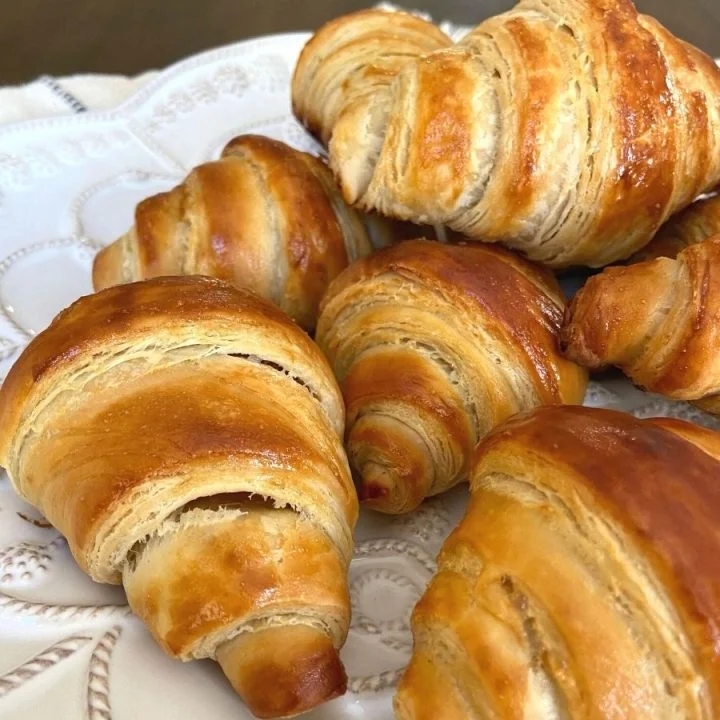
There is something truly special about biting into a freshly baked croissant with crisp golden layers on the outside and a soft, airy interior inside. These homemade Thermomix croissants deliver the classic French bakery experience right from your own kitchen. Made with simple pantry ingredients and prepared using a reliable step-by-step method, this recipe helps you create flaky croissants that look and taste professional. Whether you are planning a weekend breakfast, elegant brunch, or festive gathering, these buttery croissants are always an impressive choice.
Why Make Croissants at Home
Many people believe croissants are too difficult to prepare at home, but with the right technique and patience, they are absolutely achievable. Making croissants from scratch allows you to control ingredient quality, especially the butter, which greatly affects flavor. Freshly baked croissants have a delicate crisp texture that cannot be matched by packaged versions. When you bake them yourself, you enjoy them warm from the oven with layers that are light, flaky, and full of rich buttery aroma.
Understanding Laminated Dough
The secret behind flaky croissants is laminated dough. This technique involves folding butter into yeast dough multiple times to create thin alternating layers of butter and dough. During baking, the butter releases steam, which pushes the layers apart and creates the signature airy structure. This process may sound complicated, but it simply requires careful rolling, folding, and chilling. Keeping the dough cold ensures the butter remains in layers rather than mixing into the dough, which is essential for achieving perfect flakiness.
How the Thermomix Makes It Easier
Using a Thermomix simplifies the croissant-making process, especially during mixing and kneading. The machine gently warms the milk to the ideal temperature for activating yeast, which ensures proper fermentation. It also kneads the dough evenly, helping develop gluten without overworking it. Proper gluten development allows the dough to stretch and trap air during proofing. While lamination still requires manual rolling and folding, the Thermomix removes much of the guesswork from the early stages.
Key Ingredients for Flaky Croissants
Each ingredient in this croissant recipe plays an important role in texture and flavor. All-purpose flour provides structure while keeping the crumb soft and tender. Milk adds richness and helps create a delicate interior. Sugar feeds the yeast and adds mild sweetness without overpowering the butter. Salt strengthens the gluten and balances flavor. Yeast creates the rise and airy texture. Butter is responsible for the layers and rich taste, while the egg wash gives croissants their shiny golden finish.
Choosing the Right Butter
High-quality butter makes a noticeable difference in homemade croissants. Butter with a higher fat content creates better layers and deeper flavor. When laminated properly, butter forms thin sheets inside the dough. As it melts in the oven, steam forms and separates the layers beautifully. The butter used for lamination must be cold but flexible. If it is too hard, it may crack. If it is too soft, it may leak into the dough and reduce flakiness.
Preparing the Dough with Thermomix
The first step begins by adding milk, sugar, and yeast to the Thermomix bowl to activate the yeast at a gentle temperature. Once activated, flour, salt, and softened butter are added and kneaded until a smooth dough forms. The dough should feel soft and slightly elastic. After kneading, it is shaped into a ball and chilled. This chilling period relaxes the gluten and makes the dough easier to roll later without shrinking.
Creating the Butter Block
The butter block is prepared by placing cold butter between sheets of baking paper and rolling it into a square shape. The square should have even thickness so the layers form consistently during folding. After shaping, the butter is chilled again to keep it firm. It is important that the butter and dough have similar firmness before combining them. This balance prevents the butter from breaking through the dough during rolling.
The Lamination Process Step by Step
Lamination begins by rolling the chilled dough into a rectangle and placing the butter block in the center. The dough is folded over the butter like an envelope, sealing it completely. The dough is then rolled out and folded into thirds. After each fold, the dough is chilled again. This process is repeated three times to create multiple thin layers. Patience during chilling helps maintain clean layers and prevents the butter from melting.
Shaping the Croissants
Once the folding process is complete, the dough is rolled to about 4 millimeters thickness. Even thickness ensures uniform baking and proper rising. The dough is cut into triangles, and each triangle is rolled tightly from the wide base toward the tip. The ends are gently curved inward to create the classic crescent shape. Proper shaping ensures the croissants rise evenly and maintain their structure during baking.
Proofing for Perfect Texture
Proofing is one of the most important steps in making homemade croissants. During this stage, the shaped croissants rest at room temperature until they nearly double in size. This allows yeast to produce air pockets that make the interior light and airy. If under-proofed, croissants will be dense. If over-proofed, they may collapse in the oven. Properly proofed croissants feel soft and slightly jiggly when gently touched.
Baking to Golden Perfection
Before baking, croissants are brushed with a mixture of egg and milk to create a glossy finish. The oven must be preheated to a high temperature so steam forms quickly from the butter. This steam separates the layers and creates the flaky texture. As they bake, croissants develop a deep golden color and rich aroma. Once baked, allow them to cool slightly so the interior structure sets properly.
Notes for Best Results
Always chill the dough between folds to keep the butter from melting into the dough. Work in a cool kitchen if possible, especially during warm weather. Avoid using too much flour while rolling, as it can toughen the dough. Make sure your yeast is active before starting. Roll evenly to ensure consistent baking. Do not rush proofing, as proper fermentation is key to airy layers and full flavor.
Creative Croissant Variations
This classic croissant dough can be adapted for different flavors. Chocolate croissants can be made by placing chocolate pieces on the dough before rolling. Almond croissants can be filled with almond cream and topped with sliced almonds before baking. Savory croissants may include cheese, ham, or spinach for brunch options. Jam-filled croissants create a sweet breakfast treat. The same laminated dough serves as a base for many delicious variations.
Storage and Freezing Instructions
Fresh croissants are best enjoyed the same day they are baked. They can be stored at room temperature in an airtight container for one to two days. For longer storage, freeze the shaped unbaked croissants and bake them when needed. Baked croissants can also be frozen for up to one month. To reheat, place them in a preheated oven at 180°C for five minutes. Avoid refrigeration, as it can dry out the pastry.
Common Mistakes to Avoid
One common mistake is allowing the butter to melt during folding, which removes the layered effect. Skipping chilling steps can also ruin the structure. Using inactive yeast will prevent proper rising. Overworking the dough may damage layers. Rolling unevenly can lead to inconsistent baking. Paying attention to temperature and timing ensures bakery-style croissants every time.
Nutritional Overview
Croissants are a rich pastry made with butter and flour, providing carbohydrates for energy and fats for flavor and satisfaction. They also contain small amounts of protein from flour, milk, and egg. While croissants are considered indulgent, they can be enjoyed in moderation as part of a balanced diet. Pairing them with fresh fruit or protein-rich foods can create a more balanced breakfast.
Why This Thermomix Croissant Recipe Works
This recipe combines traditional French baking methods with the modern convenience of the Thermomix. By simplifying mixing and kneading while preserving authentic lamination techniques, it creates consistent and reliable results. The careful balance of ingredients, proper folding method, and correct baking temperature ensure crisp layers and a soft honeycomb interior. With practice and patience, these homemade Thermomix croissants can easily match those from a professional bakery.
PART 2: STRUCTURED RECIPE CARD
Title
Thermomix Croissants – Buttery and Flaky French Pastry
Description
Classic laminated croissants made with simple ingredients and prepared using a Thermomix for easy dough mixing and kneading. These croissants have crisp golden layers and a soft, airy interior with rich buttery flavor.
Preparation & Cooking Duration
Prep Time: 40 minutes
Chill Time: 60 minutes
Proofing Time: 1.5 to 2 hours
Baking Time: 15 to 20 minutes
Total Time: Approximately 4 hours
Servings: 10 croissants
Calories: 230 kcal per serving
Ingredients
For the Dough
250 g all-purpose flour
140 ml milk
40 g sugar
5 g salt
10 g fresh yeast or 5 g dry yeast
30 g softened butter
For the Butter Layer
150 g cold unsalted butter
For the Egg Wash
1 egg
1 tablespoon milk
Step-by-Step Instructions
- Prepare the Dough
Place milk, sugar, and yeast into the Thermomix bowl. Heat for 2 minutes at 37°C on Speed 2. Add flour, salt, and softened butter. Knead for 3 minutes using Dough mode. Shape dough into a ball, cover, and refrigerate for 1 to 2 hours. - Make the Butter Block
Place cold butter between two sheets of baking paper. Roll into a 15 by 15 cm square. Refrigerate until firm but still flexible. - Laminate the Dough
Roll chilled dough into a rectangle. Place butter block in the center and fold dough over it like an envelope. Roll out and fold into thirds. Chill for 30 minutes. Repeat this rolling and folding process three times, chilling between each fold. - Shape the Croissants
Roll dough to approximately 4 mm thickness. Cut into triangles. Roll each triangle tightly from the base to the tip and gently curve into crescent shapes. - Proof
Place shaped croissants on a lined baking tray. Let rise for 1.5 to 2 hours until doubled in size and puffy. - Bake
Preheat oven to 200°C. Mix egg and milk, then brush over croissants. Bake for 15 to 20 minutes until golden brown. Cool slightly before serving.
Nutritional Information Per Croissant Approximate
Calories: 230 kcal
Carbohydrates: 26 g
Fat: 12 g
Protein: 5 g
Sugar: 4 g


