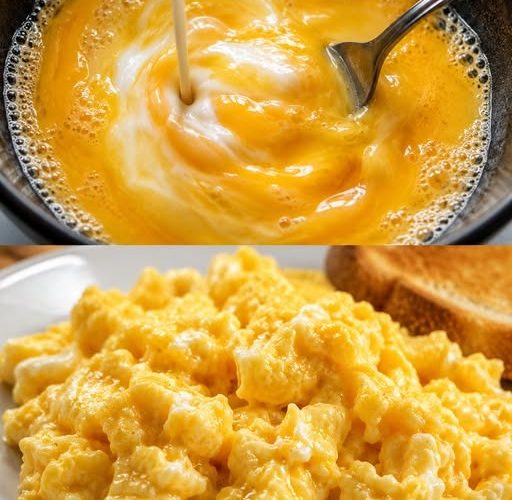
Creamy Soft Scrambled Eggs are one of the simplest yet most delicious breakfast dishes you can make. Unlike traditional scrambled eggs that are cooked quickly over high heat, soft scrambled eggs are gently cooked over low heat to create a rich, creamy, velvety texture. They are light, fluffy, and packed with flavor, making them a favorite breakfast option around the world.
This recipe is perfect for busy mornings, weekend brunches, or even a quick dinner. With just a few ingredients and a little patience, you can create restaurant-quality scrambled eggs right in your own kitchen. The secret lies in slow cooking and constant stirring, which helps develop the silky texture that makes soft scrambled eggs so special.
Whether served on toast, alongside crispy bacon, or with fresh herbs and vegetables, creamy soft scrambled eggs are versatile, satisfying, and incredibly comforting.
Why You’ll Love This Recipe
- Easy to make with simple ingredients
- Ready in under 15 minutes
- Rich, creamy, and buttery texture
- Perfect for breakfast, brunch, or a light meal
- High in protein and nutrients
- Customizable with your favorite toppings
- Great for beginners and experienced cooks alike
Ingredients
For the Scrambled Eggs
- 6 large eggs
- 2 tablespoons unsalted butter
- 2 tablespoons heavy cream or whole milk
- ½ teaspoon salt
- ¼ teaspoon black pepper
- 1 tablespoon chopped chives (optional)
Optional Toppings
- Fresh parsley
- Chopped green onions
- Grated cheddar cheese
- Parmesan cheese
- Avocado slices
- Toasted bread
- Smoked salmon
- Crispy bacon
Equipment Needed
- Non-stick skillet
- Medium mixing bowl
- Whisk or fork
- Silicone spatula
- Serving plate
Preparation Time
- Preparation Time: 5 minutes
- Cooking Time: 8 minutes
- Total Time: 13 minutes
Servings
Serves 2 to 3 people
Step 1: Crack the Eggs
Start by cracking six large eggs into a medium-sized mixing bowl. Fresh eggs work best because they provide better flavor and texture.
Inspect the eggs carefully and remove any shell fragments before proceeding.
Step 2: Whisk Thoroughly
Add the heavy cream, salt, and black pepper to the eggs.
Whisk vigorously for about one minute until the yolks and whites are completely combined.
The mixture should appear smooth and slightly frothy.
Whisking incorporates air into the eggs, helping them become fluffy during cooking.
Step 3: Heat the Pan
Place a non-stick skillet over low heat.
Add the butter and allow it to melt slowly.
Do not let the butter brown because this can change the delicate flavor of the eggs.
The butter should simply melt and lightly coat the pan.
Step 4: Add the Egg Mixture
Pour the whisked eggs into the skillet.
Allow the eggs to sit undisturbed for about 20 seconds.
You will notice the edges beginning to set slightly.
Step 5: Stir Gently
Using a silicone spatula, gently push the eggs from the edges toward the center.
Continue stirring slowly and consistently.
The key to creamy scrambled eggs is low heat and gentle movement.
Avoid rushing this process.
Step 6: Cook Slowly
Continue stirring the eggs as they gradually form soft curds.
This process usually takes 5 to 7 minutes.
The eggs should remain moist and glossy throughout cooking.
If the pan becomes too hot, remove it briefly from the heat while continuing to stir.
Step 7: Remove Before Fully Set
When the eggs look slightly undercooked and creamy, remove the skillet from the heat.
Residual heat will continue cooking the eggs for another minute.
This prevents them from becoming dry and rubbery.
Step 8: Add Fresh Herbs
Stir in chopped chives or your favorite fresh herbs.
The herbs add freshness, color, and extra flavor.
Step 9: Serve Immediately
Transfer the scrambled eggs to warm serving plates.
Serve immediately while they are soft, creamy, and delicious.
Tips for Perfect Creamy Scrambled Eggs
Use Low Heat
Low heat is the most important factor in achieving creamy eggs.
High heat causes eggs to cook too quickly and become dry.
Stir Constantly
Regular stirring creates small, tender curds and prevents sticking.
Use Fresh Eggs
Fresh eggs provide superior flavor and texture.
Remove Early
Take the eggs off the heat while they still look slightly wet.
They will finish cooking naturally.
Add Dairy
A small amount of cream or milk helps create a richer texture.
Common Mistakes to Avoid
Cooking Over High Heat
High temperatures result in tough and rubbery eggs.
Overcooking
Overcooked eggs lose their creamy consistency.
Not Stirring Enough
Inconsistent stirring can lead to uneven cooking.
Using a Dry Pan
Butter adds flavor and prevents sticking.
Serving Too Late
Soft scrambled eggs are best enjoyed immediately after cooking.
Delicious Variations
Cheesy Soft Scrambled Eggs
Add:
- ½ cup shredded cheddar cheese
Stir the cheese into the eggs just before removing them from the heat.
Garlic Herb Scrambled Eggs
Add:
- 1 minced garlic clove
- Fresh parsley
- Fresh dill
Cook until fragrant and flavorful.
Smoked Salmon Scrambled Eggs
Top the eggs with:
- Smoked salmon slices
- Fresh dill
- Lemon zest
Perfect for brunch.
Mushroom Scrambled Eggs
Sauté sliced mushrooms before adding the eggs.
The mushrooms provide a rich, earthy flavor.
Spinach Scrambled Eggs
Add fresh spinach leaves during the final minute of cooking.
The spinach wilts beautifully and adds nutrition.
Serving Suggestions
Creamy soft scrambled eggs pair wonderfully with:
Toast
Serve over buttered sourdough or whole-grain toast.
Fresh Fruit
A side of berries or melon balances the richness.
Avocado
Creamy avocado complements the eggs perfectly.
Breakfast Potatoes
Crispy potatoes create a satisfying meal.
Bacon or Sausage
Classic breakfast meats add savory flavor.
Nutritional Information
Approximate values per serving:
- Calories: 280
- Protein: 18g
- Fat: 22g
- Carbohydrates: 2g
- Fiber: 0g
- Sugar: 1g
- Sodium: 420mg
Nutritional values may vary depending on ingredients used.
Health Benefits of Eggs
Excellent Source of Protein
Eggs contain high-quality protein essential for muscle growth and repair.
Rich in Vitamins
Eggs provide:
- Vitamin A
- Vitamin D
- Vitamin E
- Vitamin B12
Good for Brain Health
Eggs contain choline, an important nutrient that supports brain function.
Supports Eye Health
Lutein and zeaxanthin found in eggs may help protect vision.
Keeps You Full Longer
Protein-rich foods help increase satiety and reduce hunger.
Storage Instructions
Soft scrambled eggs are best eaten fresh.
However, leftovers can be stored in an airtight container in the refrigerator for up to 2 days.
Reheating Instructions
Reheat gently over low heat.
Add a small splash of milk or cream to restore moisture.
Avoid microwaving for long periods, as this may cause the eggs to become rubbery.
Frequently Asked Questions
Can I make scrambled eggs without milk?
Yes. The eggs will still be delicious and creamy if cooked slowly.
Why are my scrambled eggs dry?
They were likely cooked over high heat or left on the heat too long.
Can I freeze scrambled eggs?
While possible, freezing may affect the texture. Freshly made eggs taste best.
What is the secret to creamy eggs?
Low heat, constant stirring, and removing them before they are fully cooked.
Can I add vegetables?
Absolutely. Spinach, mushrooms, tomatoes, and peppers all work well.
Conclusion
Creamy Soft Scrambled Eggs are a timeless breakfast favorite that combines simplicity with incredible flavor. By cooking the eggs slowly over gentle heat and stirring consistently, you can achieve a silky, luxurious texture that transforms ordinary scrambled eggs into something truly special. Whether served with toast, avocado, fresh herbs, or your favorite breakfast sides, this recipe delivers comfort, nutrition, and satisfaction in every bite. Once you master this method, you’ll never want to make scrambled eggs any other way. Enjoy your perfectly creamy soft scrambled eggs and start your day with a delicious homemade breakfast. 🍳✨


