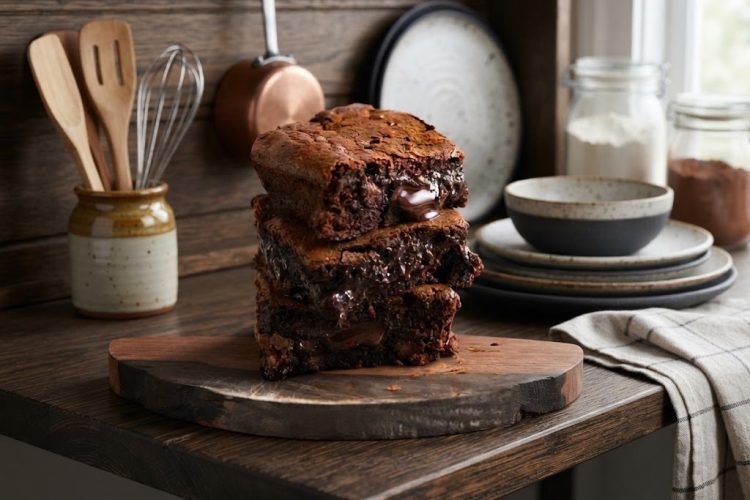
If you are looking for rich, fudgy chocolate brownies with an intensely chocolatey flavor, these homemade brownies are a wonderful choice. They combine melted dark chocolate, cocoa powder, butter, brown sugar, and a simple flour-based batter to create a soft, moist texture with plenty of chocolate flavor in every bite.
The recipe is straightforward enough for everyday baking and requires only one bowl for mixing, making it especially convenient when you want a homemade dessert without a complicated cleanup.
These chocolate brownies are designed for people who enjoy a brownie that sits between a soft, moist cake and an ultra-gooey chocolate dessert. The center remains wonderfully fudgy while the edges develop a slightly firmer texture during baking. Using both melted chocolate and unsweetened cocoa powder gives the brownies a deeper chocolate taste than recipes that rely on only one source of chocolate. The result is a classic homemade brownie with a rich aroma, tender crumb, and satisfying chocolate finish.
Why These Chocolate Brownies Work So Well
The combination of ingredients is what gives these brownies their distinctive texture. Melted chocolate provides richness and a smooth chocolate base, while cocoa powder intensifies the chocolate flavor without adding excessive moisture. Butter contributes a fuller flavor and helps create the soft texture that makes a good brownie different from an ordinary chocolate cake. Brown sugar also plays an important role because it contributes moisture and chewiness while adding a subtle caramel-like sweetness.
Another important feature is the relatively small amount of flour. Brownies need enough flour to hold their shape, but using too much can turn them into something closer to cake. This recipe uses a modest quantity, allowing the chocolate and butter to remain the stars of the dessert. When the brownies are baked for the recommended time, the center stays moist and fudgy instead of becoming dry or crumbly.
The recipe also offers flexibility depending on how you like your brownies. A shorter baking time produces a softer, gooier center, while a few additional minutes in the oven create a more firmly set texture. This makes it easy to adjust the brownies to your personal preference without changing the basic ingredients.
The Importance of Using Two Types of Chocolate
One of the easiest ways to create deeply chocolatey brownies is to combine melted chocolate with cocoa powder. Melted chocolate contributes cocoa solids and cocoa butter, creating richness and smoothness throughout the batter. Cocoa powder adds concentrated chocolate flavor and helps produce the dark, intense taste many people expect from a classic chocolate brownie.
Chocolate chips or chocolate melts can be melted together with butter before the other ingredients are incorporated. This creates a smooth base that distributes chocolate flavor throughout the mixture. Cocoa powder is then added with the flour and salt, ensuring that the dry ingredients are evenly incorporated without creating lumps.
Optional chocolate chunks can make the finished brownies even more indulgent. As the brownies bake, some of the pieces remain as small pockets of melted chocolate while others blend into the batter. This creates little bursts of chocolate in the finished dessert. If you prefer a simpler everyday brownie, however, the optional chocolate addition can be left out.
Butter Creates a Richer Brownie
Butter is particularly useful in brownie recipes because it contributes both flavor and texture. Compared with neutral cooking oil, butter gives the brownies a richer baked flavor that complements dark chocolate and cocoa powder. Melting the butter together with the chocolate also makes the preparation quick and convenient because the mixture can be combined before the remaining ingredients are added.
The melted butter should be thoroughly combined with the chocolate until the mixture looks smooth. This creates the foundation of the brownie batter. Once the sugar and vanilla are added, the mixture develops a glossy appearance, and the eggs help bind everything together.
Because the butter and chocolate are melted before mixing, there is no need for a complicated creaming process. That makes these brownies particularly useful when you want a quick chocolate dessert. The straightforward method also means there are fewer opportunities for overworking the batter.
How Brown Sugar Affects the Texture
Brown sugar contributes more than sweetness to these chocolate brownies. It also helps retain moisture, which is especially useful when the goal is a soft and fudgy texture. The combination of brown sugar, melted butter, chocolate, and eggs produces a batter that remains moist as it bakes.
The sweetness is balanced by the strong flavor of dark chocolate and cocoa powder. This means the finished brownies taste distinctly chocolatey rather than simply sugary. For many chocolate lovers, that balance is what makes a brownie satisfying: sweetness supports the chocolate flavor instead of overwhelming it.
When measuring the brown sugar, loosely pack it into the measuring cup as specified in the ingredient list. Keeping the ingredient quantities consistent is important because changing the balance between sugar, flour, butter, and chocolate can affect both the texture and the final baking time.
A Simple One-Bowl Brownie Method
One of the biggest advantages of this recipe is its uncomplicated preparation. Begin by preheating the oven to 180°C/350°F, or 160°C for a fan-forced oven. Prepare a 20cm/8-inch square baking tin by greasing it and lining it with baking paper, leaving some paper extending over the sides. This makes it easier to lift the brownies out once they have cooled.
The butter and chocolate are melted together in a heatproof bowl. If using a microwave, short 30-second bursts are recommended, stirring between each burst. This prevents the chocolate from becoming overheated and allows the butter and chocolate to gradually combine into a smooth mixture.
Once melted, add the brown sugar and vanilla extract and mix well. The lightly beaten eggs are then incorporated until the mixture becomes smooth. At this stage, the batter should look glossy and fluid. The flour, sifted cocoa powder, and salt are added afterward and gently stirred until the dry ingredients disappear.
If you are using the optional chocolate chunks, fold them into the finished batter. The mixture is then transferred to the prepared baking tin and spread evenly. Because the batter is fairly thick, spreading it into the corners of the pan helps the brownies bake more evenly.
Choosing the Right Baking Time
The baking time is one of the most important factors in determining brownie texture. For an especially gooey center, bake the brownies for about 24 minutes. If you prefer brownies that are fudgy but still very moist, around 28 minutes gives a balanced texture. Baking for approximately 32 minutes produces a firmer, moist, fudge-cake-like result.
Ovens can vary, so baking time should be treated as a guide rather than an absolute rule. The brownies will continue to firm as they cool, so removing them from the oven when the center is still slightly soft is important if you want a fudgy texture.
A common mistake is baking brownies until they look completely firm in the oven. This can result in a drier finished product because the residual heat continues cooking the center after the pan comes out of the oven. A slightly soft center is desirable for moist brownies.
How to Cool Brownies Properly
Freshly baked brownies are fragile, especially while they are hot. Allow them to rest in the pan for about 10 minutes before lifting them out using the overhanging baking paper. After removing them from the pan, allow them to cool for at least another 20 minutes before cutting.
Cooling gives the melted chocolate, butter, eggs, and flour time to set. If you cut the brownies immediately, the center may appear much softer and can break apart easily. This is not necessarily a problem, but it makes it difficult to achieve neat squares.
For particularly clean slices, refrigerating the brownies for about 30 minutes can make cutting easier. They can also be refrigerated overnight. However, for the softest and most flavorful texture, allow chilled brownies to return to room temperature before serving.
How to Get Fudgy Chocolate Brownies
Several small details help produce a fudgy brownie. The first is avoiding excessive flour. Flour provides structure, but too much can absorb moisture and make the brownies cakey or dry. The second is using both melted chocolate and cocoa powder, which provides a strong chocolate foundation without requiring a large quantity of flour.
Baking time also has a major impact. If you want a fudgy center, avoid leaving the brownies in the oven until the entire surface looks completely dry. A properly baked fudgy brownie should have a set exterior with a center that still retains some softness.
Finally, cooling is part of the baking process. Brownies continue to settle after leaving the oven. Allowing them enough time to cool helps the structure stabilize while preserving the moist texture inside.
Optional Chocolate Chunks for Extra Chocolate Flavor
The additional chocolate chunks listed in the recipe are optional, but they can turn an already rich brownie into an even more decadent dessert. Dark chocolate chips or chopped chocolate can be stirred into the batter immediately before it goes into the pan.
During baking, these pieces soften and melt. Some chocolate blends into the surrounding batter, while larger pieces can remain as gooey pockets. This gives the brownies a more varied texture and adds extra richness.
If you are preparing brownies for a special occasion, the optional chocolate addition can make the dessert feel more indulgent. For everyday baking, the basic batter already provides plenty of chocolate flavor, so leaving out the extra chocolate is completely suitable.
Serving Suggestions
These brownies can be served on their own once cooled, but there are plenty of simple ways to make them part of a larger dessert. A warm brownie can be paired with a scoop of vanilla ice cream for a classic combination of warm chocolate and cool creaminess. Fresh berries can also provide a refreshing contrast to the richness of the brownies.
For a simple presentation, cut the brownies into neat squares and arrange them on a serving plate. A light dusting of cocoa powder can add visual appeal without changing the recipe significantly. If you are serving them at a gathering, smaller squares are useful because the brownies are rich and satisfying.
They also make a convenient make-ahead dessert. Once completely cooled, the brownies can be stored so they are ready when needed. Their moist texture makes them particularly suitable for preparing in advance rather than serving immediately after baking.
Storage and Texture Notes
Allow the brownies to cool completely before storing them. Keeping them in an airtight container helps retain their moisture and protects the surface from drying out. If refrigerated, the brownies will become firmer because the butter and chocolate solidify when cold.
For the best fudgy eating experience, let refrigerated brownies sit at room temperature before serving. This allows the chocolate and butter to soften again and brings back the tender texture. Brownies that have been chilled can also be sliced more cleanly, making refrigeration useful when preparing them for presentation.
If you prefer a softer texture, avoid overbaking the brownies in the first place. Storage can preserve the texture you create during baking, but it cannot fully restore moisture that was lost through excessive cooking.
Frequently Asked Questions
Can these brownies be made without the optional chocolate chunks?
Yes. The additional chocolate chunks are optional. The main recipe already contains melted chocolate and cocoa powder, so the brownies remain rich and chocolatey without the extra chocolate pieces. The optional addition simply provides additional melted chocolate pockets and a more indulgent texture.
How do I make brownies more fudgy?
For a fudgier result, use the shorter baking time recommended in the recipe and avoid overbaking. The brownies should still have a slightly soft center when they come out of the oven. They will continue to set as they cool, so giving them sufficient cooling time is important.
Why do brownies become cakey?
Brownies can become cakey when they contain more flour or are baked for longer than necessary. This recipe uses a relatively small amount of flour and offers different baking times so you can choose a gooey, fudgy, or firmer texture according to your preference.
Should brownies be refrigerated before cutting?
Refrigeration is optional. If you want very neat slices, chilling the brownies for around 30 minutes can make them easier to cut. For the best soft, fudgy eating texture, allow chilled brownies to return to room temperature before serving.
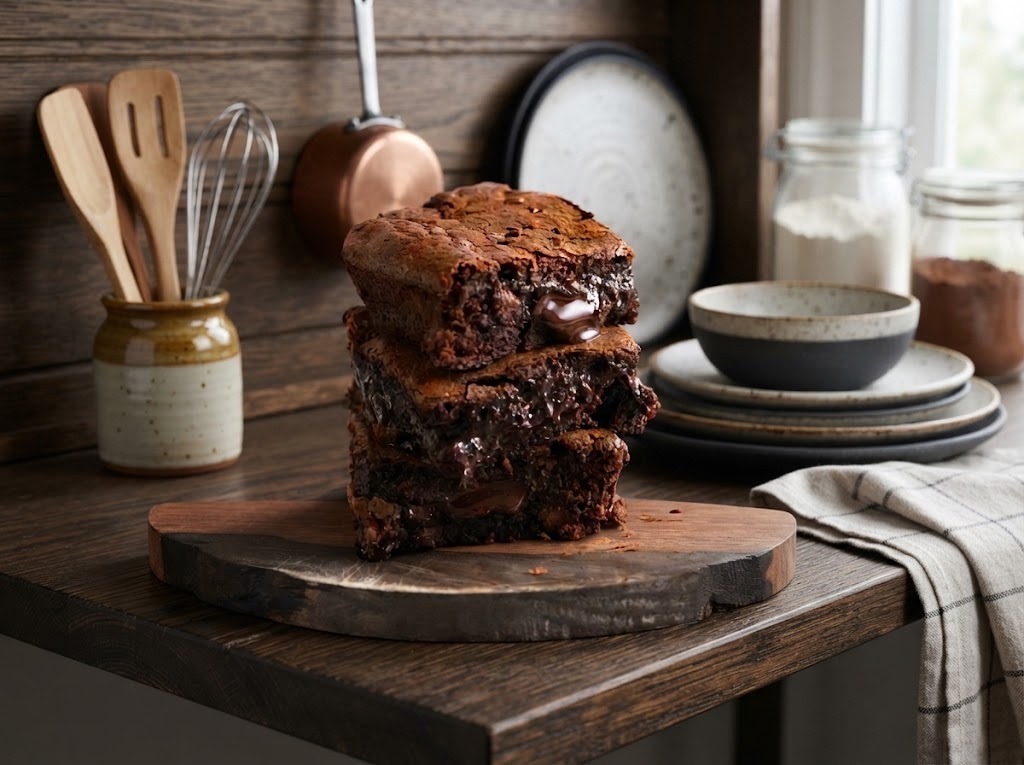
Chocolate Brownies
 Recipe by admin1
9
servings10
minutes28
minutes212
kcal38
minutesIngredients
200g / 14 tbsp unsalted butter (1 3/4 US sticks)
1 1/4 cups dark chocolate chips or melts/discs (US: semi-sweet chocolate)
1 cup loosely packed brown sugar
3 large eggs, lightly beaten (fridge cold or room temperature)
1/2 cup plain flour (all-purpose flour)
1 tsp vanilla extract
1/4 cup cocoa powder, sifted
Pinch of salt
Directions
- Preheat the oven to 180°C/350°F, or 160°C for a fan-forced oven. Grease a 20cm/8-inch square baking tin with butter or oil and line it with baking paper, leaving an overhang on the sides for easy removal.
- Place the unsalted butter and dark chocolate chips or melts in a heatproof bowl. Microwave in 30-second intervals, stirring after each interval, until completely melted and smooth.
- Stir the brown sugar and vanilla extract into the melted chocolate and butter mixture until evenly combined.
- Add the lightly beaten eggs and mix thoroughly until the batter becomes smooth and glossy.
- Add the plain flour, sifted cocoa powder, and pinch of salt. Stir gently until the ingredients are incorporated and the batter is smooth.
- If using the optional chocolate chunks or chips, fold them gently through the brownie batter.
- Pour the batter into the prepared baking tin and spread it evenly into the corners.
- Bake for approximately 24 minutes for a very gooey center, 28 minutes for a fudgy and very moist texture, or around 32 minutes for a firmer, moist fudge-cake-like brownie.
- Leave the brownies in the pan for about 10 minutes before carefully lifting them out using the baking-paper overhang. Allow them to cool for at least another 20 minutes before slicing.
- For especially neat cuts, refrigerate the brownies for about 30 minutes before slicing. For the best fudgy texture, bring chilled brownies back to room temperature before serving.
Nutrition Facts
- Total number of serves: 1
- Calories: 212kcal
- Fat: 14.5g
- Carbohydrates: 21g
- Fiber: 0.5g
- Sugar: 15.5g
- Protein: 26g


