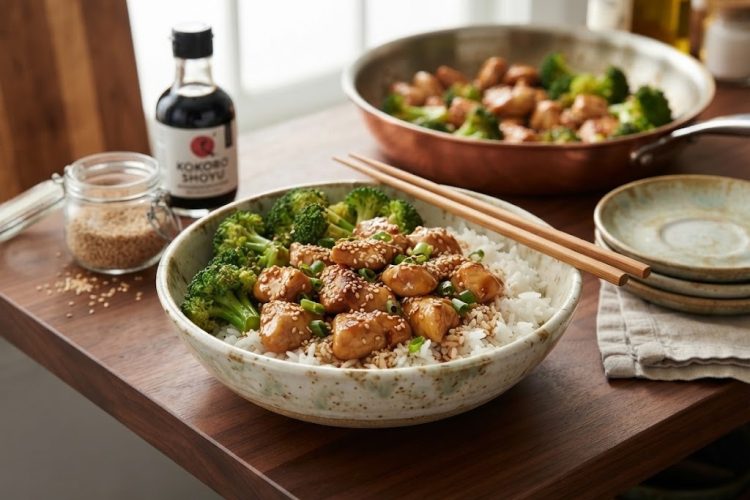
Teriyaki chicken is one of those easy dinner recipes that delivers big flavor without requiring a long ingredient list, complicated preparation, or hours in the kitchen. This homemade teriyaki chicken recipe uses bite-sized pieces of boneless chicken breast cooked in a skillet and finished with a glossy, sweet and savory teriyaki sauce.
The result is tender chicken coated in a rich sauce with hints of honey, brown sugar, garlic, ginger, soy sauce, and toasted sesame oil. It is a practical choice for busy weeknights when you want something that tastes like restaurant-style Asian food but can be prepared quickly at home.
Why This Teriyaki Chicken Recipe Works
The best thing about this easy teriyaki chicken recipe is how quickly everything comes together. There is no need to prepare a marinade several hours ahead of time, and there is no need to use the oven or grill. Instead, the chicken is cut into small, even pieces and cooked directly in a hot non-stick skillet. While the chicken cooks, the homemade teriyaki sauce can be mixed in a separate bowl. Once the chicken is cooked, the sauce goes straight into the skillet and thickens within seconds.
This cooking method creates a flavorful coating around every piece of chicken. The combination of low-sodium soy sauce and honey provides the familiar sweet-and-salty character associated with teriyaki sauce, while brown sugar gives the sauce additional depth. Rice vinegar balances the sweetness with a mild acidity, and fresh ginger and garlic provide the aromatic flavor that makes homemade teriyaki chicken especially satisfying.
What Makes Homemade Teriyaki Chicken Better
Restaurant and takeout versions of teriyaki chicken can sometimes be heavily coated with sauce or served with more sugar than you may expect. Making the dish at home gives you control over the ingredients while still delivering plenty of flavor. This recipe also keeps the cooking process simple, using a single skillet for the chicken and sauce, which means fewer dishes and less cleanup afterward.
The chicken is cooked until lightly browned before the sauce is added. This step matters because browning gives the chicken a more appealing texture and adds extra flavor. Once the teriyaki mixture hits the hot skillet, the cornstarch helps it quickly transform from a thin liquid into a smooth, thick sauce that clings to the chicken. The finished dish is glossy, fragrant, and ready to serve almost immediately.
Choosing the Best Chicken
Boneless, skinless chicken breasts are used in this recipe because they cook quickly and are easy to cut into bite-sized pieces. Cutting the chicken into approximately 1-inch cubes helps it cook evenly while keeping the preparation time short. Try to make the pieces relatively similar in size so smaller pieces do not become dry while larger pieces are still cooking.
Chicken thighs can also be used if you prefer darker meat. They contain more fat than chicken breasts and can remain juicy during cooking. If using chicken thighs, allow them to cook slightly longer and make sure they are fully cooked before adding the sauce. Whichever cut you choose, avoid overcrowding the skillet because too much chicken at once can reduce browning and cause the pieces to steam instead.
Understanding the Homemade Teriyaki Sauce
The sauce is what gives this dish its signature character. Low-sodium soy sauce provides the savory foundation, while honey and brown sugar create a balanced sweetness. Rice vinegar adds acidity, preventing the sauce from becoming overly sweet. Toasted sesame oil contributes a distinctive nutty aroma, so only a small amount is needed.
Fresh ginger and garlic make an important difference in the finished sauce. Minced ginger provides gentle warmth and brightness, while garlic adds a deeper savory note. Cornstarch is also essential because it thickens the sauce after it is added to the cooked chicken. Mixing the cornstarch with the other sauce ingredients before adding everything to the skillet helps distribute it evenly and reduces the risk of lumps.
How to Make Teriyaki Chicken
Begin by heating the olive oil in a 12-inch non-stick skillet over medium-high heat. The skillet should be hot enough for the chicken to brown when it makes contact with the surface. Add the diced chicken pieces in an even layer and allow the bottoms to cook undisturbed for about 3 to 4 minutes. This gives the chicken an opportunity to develop light browning before you turn the pieces.
Flip the chicken and continue cooking for approximately another 3 minutes. The center should reach about 160 degrees during this stage. Since the chicken will continue cooking briefly when combined with the hot sauce, avoid leaving it in the skillet longer than necessary. Keeping an eye on the cooking time helps maintain a tender texture rather than producing dry chicken.
While the chicken is cooking, prepare the sauce. In a small mixing bowl or liquid measuring cup, whisk together the low-sodium soy sauce, water, honey, brown sugar, rice vinegar, toasted sesame oil, minced fresh ginger, minced fresh garlic, and cornstarch. Make sure the cornstarch is well incorporated because it is responsible for giving the sauce its thick, coating consistency.
When the chicken is cooked, pour the prepared sauce into the skillet. Stir and toss the chicken so the sauce reaches all the pieces. Continue cooking for about 30 to 60 seconds. During this short period, the sauce should noticeably thicken and become glossy. Once the chicken is coated evenly, remove the skillet from the heat and serve the teriyaki chicken warm.
How to Get Tender, Flavorful Chicken
One of the easiest ways to improve skillet chicken is to avoid overcooking it. Chicken breast is naturally lean, so cooking it far beyond the point of doneness can make it firm and dry. Cutting the chicken into evenly sized cubes and using medium-high heat allows the outside to brown while the inside cooks relatively quickly.
Another useful technique is to prepare the sauce before the chicken is completely finished. Since the sauce only needs around 30 to 60 seconds to thicken in the skillet, having it ready means you can immediately add it when the chicken reaches the correct stage. This keeps the cooking process smooth and prevents the chicken from sitting in the hot pan longer than necessary.
Best Ways to Serve Teriyaki Chicken
This homemade teriyaki chicken works particularly well with steamed white rice because the rice absorbs some of the extra sauce. Brown rice can also be used if you prefer a heartier grain. For a lighter meal, serve the chicken alongside steamed or roasted vegetables such as broccoli, carrots, green beans, bell peppers, or snap peas.
You can also turn the recipe into a simple teriyaki chicken bowl. Add cooked rice to a serving bowl, place the chicken on top, and add your favorite vegetables around it. Finish with chopped green onions and sesame seeds for extra color and texture. The result is an easy homemade meal that works well for lunch or dinner and can be customized according to what you already have available.
Simple Ingredient Substitutions
The original recipe is designed around ingredients that are commonly available, but there are a few useful alternatives if something is missing. Vegetable oil can be used instead of olive oil. Chicken thighs can replace chicken breasts, although they should be cooked a little longer. If standard soy sauce is used instead of low-sodium soy sauce, the recipe provides a specific water adjustment to help maintain the intended balance.
Honey can be replaced with additional brown sugar if necessary. Light brown sugar works well, while dark brown sugar can provide a slightly deeper flavor. Rice vinegar can be substituted with apple cider vinegar, and lemon juice can work when vinegar is unavailable. Fresh ginger and garlic provide the best flavor, but dried alternatives can be used when fresh ingredients are not available.
How to Make the Sauce More Flavorful
For an even richer variation, the recipe notes that some of the water can be replaced with mirin. Using 2 tablespoons of water and 2 tablespoons of mirin adds another layer of flavor while keeping the sauce balanced. Mirin is commonly used in Japanese cooking and contributes sweetness and depth to sauces.
Sesame oil should be used carefully because toasted sesame oil has a strong aroma. The small amount included in this recipe is enough to provide its characteristic flavor without overpowering the soy, ginger, garlic, and honey. If you enjoy sesame flavor, sesame seeds can be added as a finishing garnish rather than increasing the amount of sesame oil.
Helpful Cooking Notes
Prepare the sauce before you need it
Although the sauce takes only a few moments to prepare, mixing it while the chicken is cooking can make the process feel rushed. Having the sauce whisked and ready means you can add it immediately once the chicken is cooked. This is particularly helpful because cornstarch settles quickly, so give the mixture another quick stir just before pouring it into the skillet.
Avoid overcrowding the skillet
A large non-stick skillet gives the chicken enough room to brown properly. If the pieces are packed tightly together, they may release moisture and steam rather than developing light golden-brown edges. Keeping the chicken spread across the pan helps improve both texture and flavor.
Garnish just before serving
Green onions and sesame seeds are optional, but they provide an attractive finishing touch. The green onions add freshness and mild sharpness, while sesame seeds add a subtle crunch. Sprinkle them over the chicken immediately before serving for the best appearance and texture.
Frequently Asked Questions
Can I use chicken thighs instead of chicken breasts?
Yes. Boneless, skinless chicken thighs are a good alternative and can produce particularly juicy teriyaki chicken. Because thighs generally take slightly longer to cook, adjust the cooking time as needed and make sure the chicken is properly cooked before adding the sauce.
Does teriyaki chicken need to be marinated?
No. One advantage of this recipe is that it does not require a marinade. The chicken is cooked first and then coated with the homemade teriyaki sauce. This makes the recipe much faster than versions that require several hours of marinating.
Can I use regular soy sauce?
Yes. The recipe notes that 2 1/2 tablespoons of standard soy sauce can be combined with 1 1/2 tablespoons of water. This helps compensate for the higher saltiness of regular soy sauce while maintaining the overall sauce balance.
Why is cornstarch added to the sauce?
Cornstarch is used to thicken the teriyaki sauce. Once the sauce is added to the hot skillet, the cornstarch helps it quickly develop a thicker consistency that coats the chicken instead of remaining watery.
Can I make this recipe with vegetables?
Absolutely. Broccoli, carrots, bell peppers, snap peas, and other vegetables can be served alongside the chicken. For the simplest approach, cook the vegetables separately and combine them with the finished teriyaki chicken when serving.
Why This Is an Easy Weeknight Dinner
This recipe is especially useful when dinner needs to be on the table quickly. The preparation takes approximately 10 minutes, while cooking takes about 10 minutes, making it suitable for busy evenings. There is no lengthy marinating process, complicated sauce preparation, or oven cooking involved.
The combination of quick cooking, simple ingredients, and a flavorful homemade sauce makes this teriyaki chicken a dependable meal for the whole family. It can be served with rice, vegetables, or as part of a homemade Asian-inspired bowl. With its sweet-savory sauce and tender chicken pieces, it offers the comfort of takeout while keeping the cooking process straightforward.
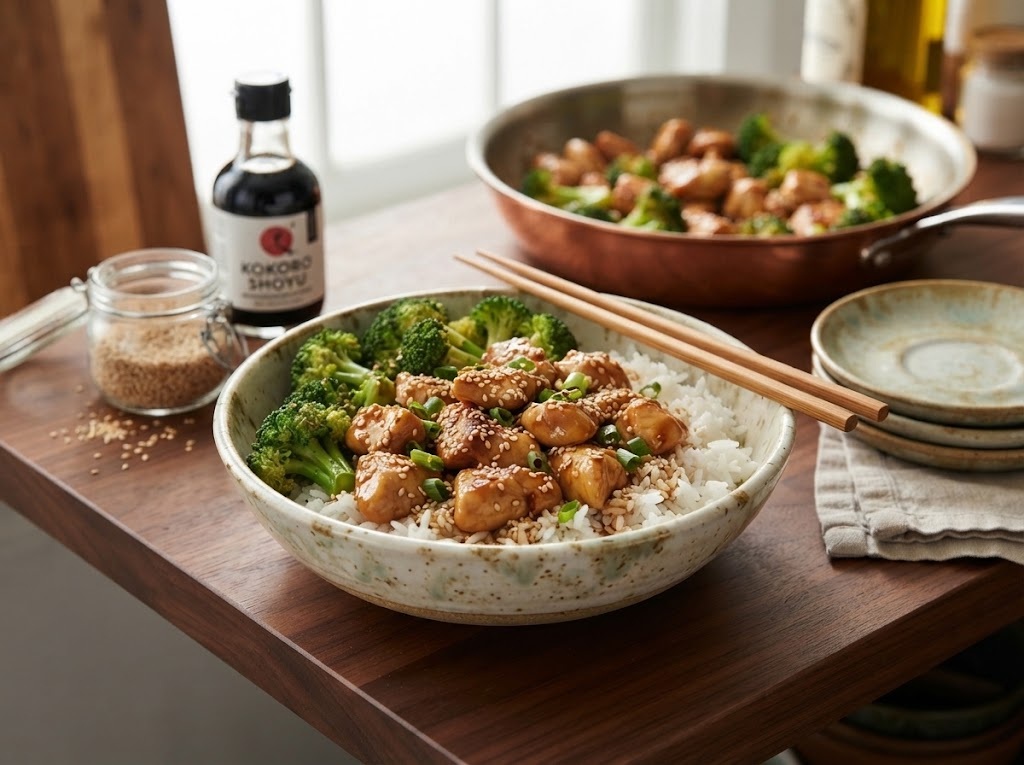
High Protein Chicken Teriyaki
 Recipe by admin1
Tender bite-sized chicken breast pieces are skillet-cooked until lightly browned and coated in a quick homemade teriyaki sauce made with low-sodium soy sauce, honey, brown sugar, rice vinegar, fresh ginger, garlic, sesame oil, and cornstarch.
4
servings10
minutes10
minutes258
kcal20
minutesIngredients
1 1/4 lbs. boneless skinless chicken breasts, diced into 1-inch cubes
1 Tbsp olive oil
1/4 cup low-sodium soy sauce
1/4 cup water*
2 Tbsp honey
1 1/2 Tbsp packed light brown sugar
1 Tbsp rice vinegar
1/4 tsp toasted sesame oil
2 tsp peeled and minced fresh ginger
2 tsp peeled and minced fresh garlic (2 cloves)
2 tsp cornstarch
Sesame seeds and chopped green onions, for serving (optional)
Directions
- Place a 12-inch non-stick skillet over medium-high heat and add the olive oil.
- Add the diced chicken to the hot skillet. Allow the pieces to brown on the bottom for about 3 to 4 minutes, then turn them over.
- Continue cooking the chicken for approximately 3 minutes longer, or until the center registers about 160 degrees.
- While the chicken cooks, whisk together the soy sauce, water, honey, brown sugar, rice vinegar, sesame oil, fresh ginger, fresh garlic, and cornstarch in a small mixing bowl or liquid measuring cup.
- Pour the prepared sauce into the skillet with the cooked chicken.
- Stir and toss the chicken with the sauce for about 30 to 60 seconds, until the sauce thickens and coats the chicken evenly.
- Transfer the teriyaki chicken to serving plates or bowls. Garnish with sesame seeds and chopped green onions if desired, and serve warm.
Nutrition Facts
- Total number of serves: 1
- Calories: 258kcal
- Fat: 7g
- Carbohydrates: 15g
- Sugar: 13g
- Protein: 30g


